
 By Lesa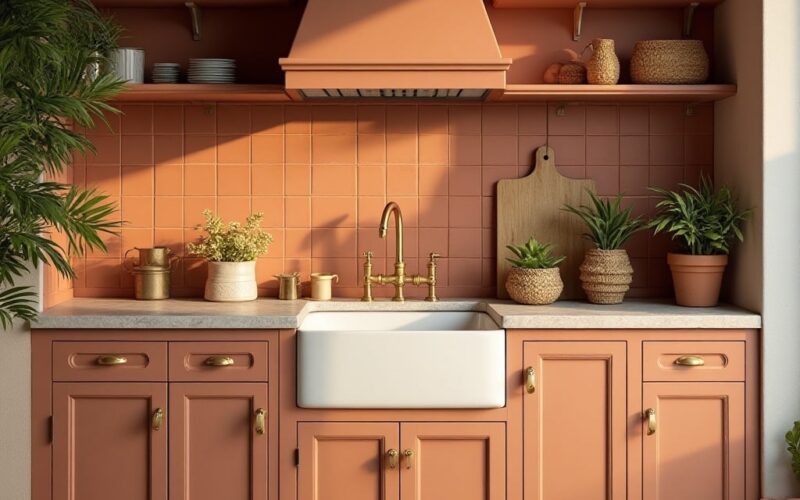
Incorporating a Terracotta Backsplash into interior design projects requires a blend of artistic vision and practical application. The material’s rich, earthy tones offer a unique blend of rustic charm and modern elegance. As designers aim to create spaces that are both aesthetically pleasing and functional, terracotta tiles serve as a versatile element that can enhance the character of any room. This article delves into the timeless appeal of Terracotta Backsplashes, their aesthetic contributions, durability, and their compatibility with various design styles.
Terracotta Backsplash as a Timeless Choice
Terracotta has been a staple in architectural design for centuries, lending a timeless quality to both traditional and contemporary interiors. Its natural appearance and warm hues create a comforting atmosphere that aligns with the principles of Hygge Design, emphasizing coziness and contentment. Often highlighted in a design palette, terracotta can serve as a focal point, drawing attention to specific areas within a kitchen or bathroom. Furthermore, terracotta tiles are known for their ability to adapt to evolving design trends, maintaining relevance through the years.
Incorporating terracotta into a project starts with the schematic design phase, where designers utilize CAD Software to visualize the integration of these tiles into the space. This planning stage ensures that the Terracotta Backsplash complements the overall theme and aesthetic of the project, whether it’s a modern loft or a rustic farmhouse. A well-thought-out design palette incorporating terracotta can elevate the space’s mood and functionality. Architectural Digest provides further insights on the use of terracotta in modern design.
Enhancing Aesthetics with Earthy Tones
The earthy tones of terracotta tiles are instrumental in creating a harmonious environment, particularly when aligned with color theory principles. These tones can enhance biophilic design by promoting a connection with nature within indoor spaces. When used thoughtfully, terracotta tiles can transform a kitchen or bathroom into a serene retreat, offering visual warmth and texture. This is particularly effective in space planning, where the goal is to create open, inviting areas that encourage relaxation and comfort.
A detailed mood board can help visualize how terracotta tiles will interact with other elements in the room, such as cabinets, countertops, and flooring. When crafting a finish schedule, designers can choose complementary materials and colors that enhance the natural beauty of terracotta. This careful consideration ensures that the space remains cohesive and aesthetically pleasing. For further reading, Dezeen discusses the impact of natural materials in contemporary design.
Durability and Maintenance of Terracotta Tiles
One of the standout features of terracotta tiles is their durability, making them an excellent choice for high-traffic areas like kitchens. When properly sealed, these tiles offer a robust surface that resists stains and moisture, essential for maintaining hygiene and longevity. The maintenance of terracotta is relatively straightforward, requiring regular cleaning and occasional resealing to preserve its natural luster and integrity.
The durability of terracotta tiles also contributes to their cost-effectiveness over time. Their ability to withstand wear and tear means that homeowners can enjoy their beauty without frequent replacements or repairs. Additionally, terracotta’s natural insulation properties can contribute to energy savings, an added benefit for environmentally conscious designs. In the context of FF&E, incorporating terracotta tiles can also enhance thermal comfort within a space.
Pairing Terracotta with Various Design Styles
Terracotta tiles are remarkably versatile, pairing well with a wide range of design styles from modern minimalism to eclectic aesthetics. In minimalist spaces, terracotta can add warmth and texture without overwhelming the simplicity of the design. Meanwhile, in more eclectic settings, terracotta serves as a grounding element that ties together diverse components, creating a cohesive and inviting atmosphere.
Designers often use terracotta tiles in conjunction with other natural materials like wood and stone to enhance the organic feel of a space. In hardscaping, for instance, terracotta can be used to create a seamless transition between indoor and outdoor areas. The use of terracotta in combination with acoustical treatment can also improve the acoustic quality of a room, making it more comfortable for everyday living.
Conclusion
Integrating a Terracotta Backsplash into an interior design project not only enhances the aesthetic appeal but also adds functionality and durability. Its timeless nature and adaptability to various styles make it a valuable asset in both residential and commercial spaces. By considering terracotta during the design process, designers can create environments that are not only beautiful but also practical and enduring.