
 By Lesa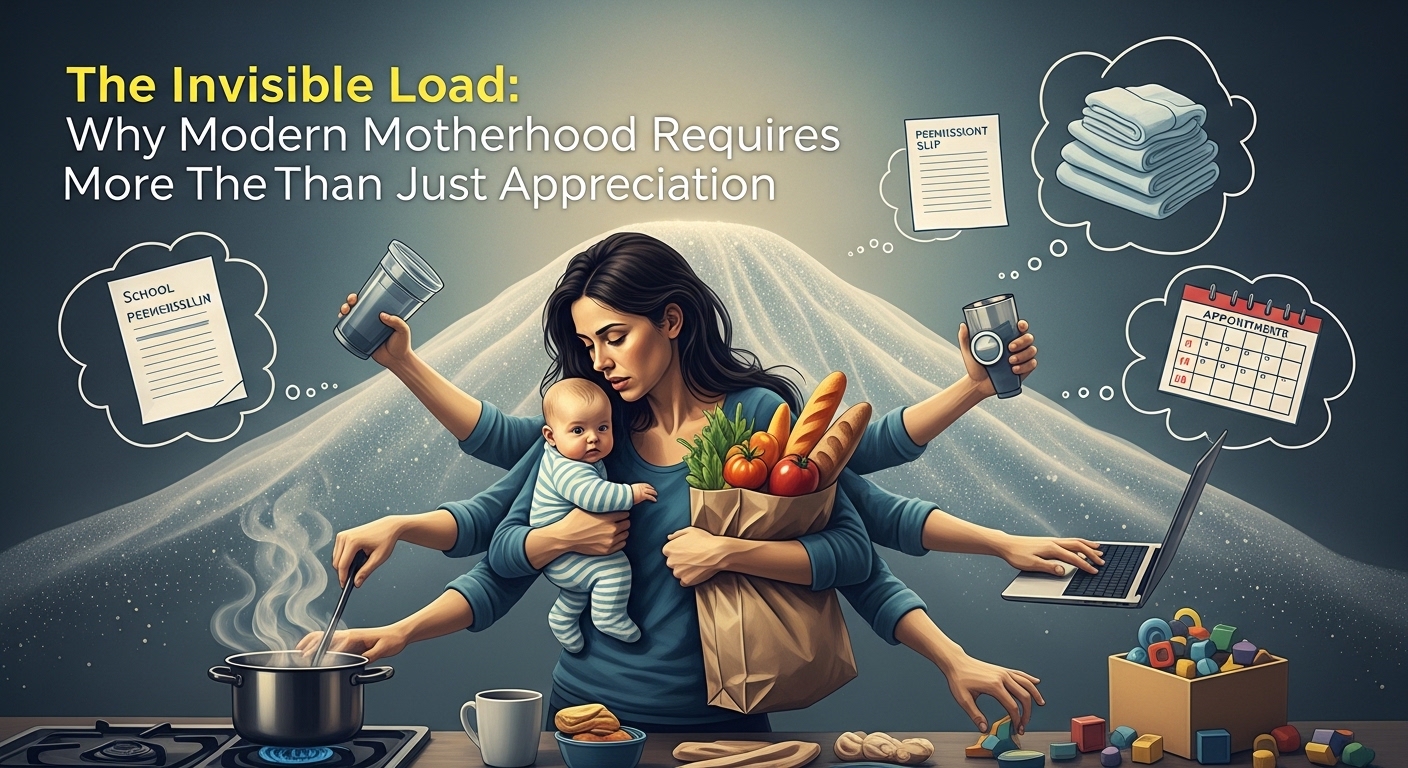
In today’s fast-paced world, the role of a mother has evolved into an intricate balancing act that often defies human limits. The modern mother is expected to work like she doesn’t have children, and raise children as if she doesn’t work. This contradictory societal expectation has created a generation of women who are perpetually exhausted, constantly striving for an unattainable standard of perfection, and quietly carrying a heavy burden that rarely gets discussed openly: the invisible mental load.
It is a recurring cultural phenomenon that when holidays or birthdays approach, society suddenly rushes to show gratitude through consumerism. Families and spouses will spend hours scrolling through online stores, desperately searching for the perfect Gifts for mom to express their love and appreciation. While a thoughtful gesture or a beautiful present is always cherished and brings genuine joy, it is essential to recognize that physical items cannot solve the systemic exhaustion many mothers face. What women truly need, beyond the occasional day of celebration, is a fundamental shift in how the daily responsibilities of family life are perceived and shared.
Understanding the “Invisible Load”
To comprehend the sheer exhaustion many mothers experience, one must first understand the concept of cognitive labor, often referred to as the “invisible load.” This is the behind-the-scenes mental work required to keep a household functioning smoothly. It is not the physical act of doing the laundry; it is noticing that the laundry detergent is running low, adding it to the grocery list, remembering to buy it on the way home from work, and knowing which family member is allergic to specific brands.
This endless, running checklist occupies a massive amount of brain space. It involves scheduling pediatrician appointments, remembering the names of teachers, planning weekly meals to ensure nutritional balance, organizing playdates, and anticipating the emotional needs of every family member. Because this work is cognitive and largely invisible to others, it is rarely acknowledged or valued. Over time, the constant vigilance required to manage a family’s ecosystem leads to severe mental fatigue and burnout.
How Social Media Amplifies “Mom Guilt”
As if the internal pressures of managing a home and career were not enough, the digital age has introduced a new layer of anxiety: social media. Platforms like Instagram and Pinterest are saturated with curated, aesthetic portrayals of motherhood. We see spotless homes, elaborate organic meals, beautifully dressed children, and mothers who seem completely unbothered by the chaos of life.
This constant exposure to idealized motherhood triggers what psychologists refer to as “mom guilt.” When a mother’s reality—which inevitably includes messy living rooms, occasional fast-food dinners, and moments of lost patience—does not align with the digital highlight reels of others, she may internalize a sense of failure. Breaking free from this toxic cycle requires a conscious effort to curate one’s digital environment and recognize that social media is a heavily edited version of reality, not a benchmark for success.
Redefining Self-Care for Mothers
When the topic of maternal burnout arises, the most common solution offered is “self-care.” However, the mainstream definition of self-care has been heavily commercialized. It is often presented as taking a bubble bath, buying a luxury skincare product, or going for a solitary walk. While these activities offer temporary relief, they do not address the root causes of exhaustion.
True, sustainable self-care for mothers looks much different. It looks like setting firm boundaries with work and extended family. It looks like having difficult but necessary conversations with a partner about a more equitable division of domestic labor. It is the ability to say “no” to volunteering at the school bake sale without feeling guilty. Authentic self-care is about building a life that you do not regularly need to escape from.
Practical Strategies to Alleviate the Burden
If you are a mother feeling overwhelmed by the weight of your responsibilities, or if you are a partner looking to genuinely support the mother of your children, practical steps must be taken to distribute the invisible load:
- Audit the Household Tasks: Sit down with your partner and make a comprehensive list of everything it takes to run the home—including the cognitive tasks. Visually seeing the disparity in responsibilities is often the first step toward a fairer distribution.
- Delegate Entire Systems, Not Just Tasks: Instead of asking a partner to “help with dinner” (which still leaves the mother in the role of manager), delegate the entire system. One person becomes fully responsible for meal planning, grocery shopping, and cooking on specific days, requiring zero mental input from the other.
- Embrace “Good Enough”: Perfectionism is the enemy of peace. A house does not need to be immaculate to be a loving home. Lowering standards for non-essential tasks can free up hours of valuable time and mental energy each week.
- Prioritize Sleep and Solitude: Sleep deprivation drastically reduces a person’s ability to cope with stress. Prioritizing consistent rest, along with moments of complete, demand-free solitude, is non-negotiable for mental health.
Conclusion: A Call for Structural Support
Appreciating mothers should not be confined to a single Sunday in May or expressed solely through material goods. While showing love through presents is a wonderful tradition, true respect for motherhood requires structural, everyday support. It requires partners to step up as equal co-managers of the home, workplaces to offer flexible arrangements, and society to value the invisible labor that raises the next generation. When we begin to ease the mental load, we give mothers the greatest gift of all: the freedom to simply be themselves.