
 By Lesa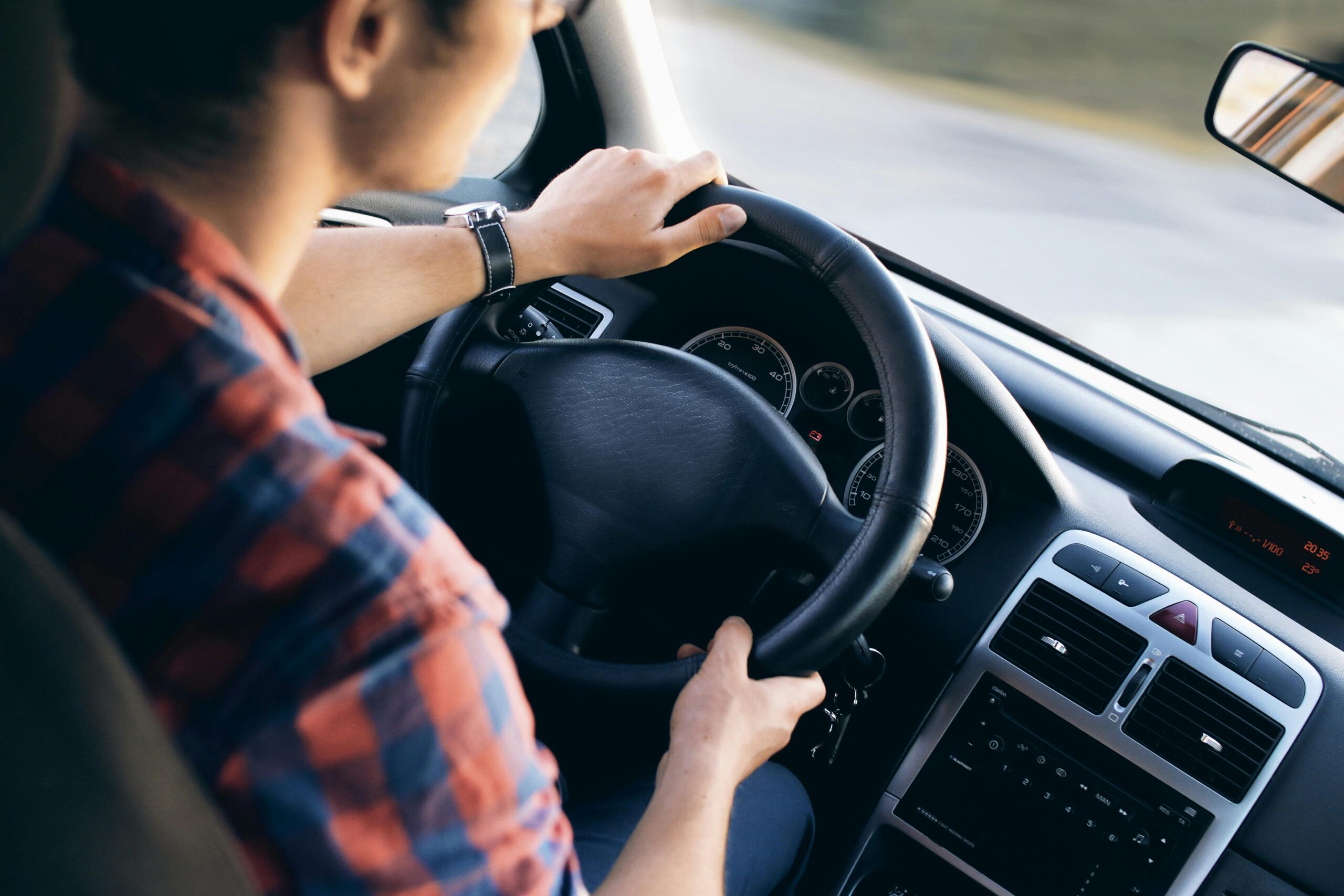
Driving doesn’t feel the way it used to. What was once a routine part of daily life now often comes with tension, impatience, and constant alertness. Heavier traffic, endless construction, distracted drivers, and tight schedules can make even short trips feel exhausting. Add navigation alerts, phone notifications, and the pressure to stay on time, and it’s easy to see why driving feels stressful.
This growing stress matters more than just personal comfort. When drivers feel overwhelmed, their reactions slow down, frustration builds, and small mistakes become more likely. Over time, this can affect how safely we share the road with others.
Understanding why driving feels more stressful is key to creating safer roads and protecting lives.
The Rising Tide of Traffic Congestion
Getting stuck in traffic isn’t just annoying; it’s becoming a major source of burnout. In 2024, traffic congestion in the U.S. hit record highs. According to the latest Urban Mobility Report, the average American now loses 63 hours a year sitting in delays. That is nearly eight full workdays wasted behind the wheel. Moreover, national costs for these delays have surged to $269 billion annually.
This constant “stop-and-go” creates a pressure-cooker environment. Being trapped makes us feel anxious and out of control, spiking stress hormones like cortisol.
What makes it trickier now is how unpredictable things have become. We used to only worry about the morning and evening rush, but hybrid work has spread congestion into middays and weekends. When you are always bracing for a jam, driving stops being a commute and starts feeling like an exhausting mental marathon.
Aggressive Driving Behaviors on the Rise
Modern roads often feel like conflict zones because of rising aggressive driving. Behaviors like tailgating, speeding, and sudden lane changes trigger our “fight-or-flight” response, making every commute physically exhausting. This isn’t just a mental burden, but has real-world consequences.
A tragic example occurred recently in Atlanta on Panthersville Road. A driver died after attempting to overtake in a no-passing zone, causing a four-vehicle pile-up near the Georgia State University campus. This crash left two others injured and highlights how one aggressive choice can change lives forever.
When these incidents happen, the legal aftermath is often as stressful as the wreck itself. Navigating insurance and medical bills usually requires an experienced car accident lawyer in Atlanta.
According to an Atlanta Personal Injury Law Firm, finding a lawyer who prioritizes direct communication and personalized attention is vital. Making the right choice can determine whether you receive fair compensation or settle for less while recovering from a traumatic event.
The Impact of Distracted Driving on Stress Levels
The smartphone era has turned our roads into high-stress environments. We now have to defensively watch every nearby car, fearing the driver is texting or scrolling. This constant vigilance is mentally exhausting because distracted drivers are unpredictable. They drift between lanes or brake suddenly, making relaxation impossible.
The stakes are incredibly high. According to the CDC, nine people are killed every day in the U.S. in crashes involving a distracted driver. This stress creates a dangerous cycle. Overwhelmed drivers suffer from slower reaction times and poor decision-making, which leads to more accidents.
These wrecks then reinforce anxiety for everyone else on the road. When stress becomes the default state, safety disappears, making every trip feel like a gamble rather than a simple commute.
Technology Overload in Modern Vehicles
Modern vehicle technology aims to enhance safety, but it often creates a stressful sense of sensory overload. Drivers now juggle touchscreens, lane warnings, and navigation alerts while trying to monitor the road. Instead of simplifying things, this multitasking leads to decision fatigue and anxiety.
A recent Carwow survey highlights this growing frustration. About 40.1% of drivers find modern in-car tech excessive and distracting, while another 22.8% feel it is “a bit much.” In total, nearly two-thirds of people feel some discomfort with today’s digital bells and whistles. While basic features like maps are helpful, many drivers see the rest as irrelevant or even dangerous.
Navigating multiple menus just to change the temperature can pull attention away from the road at critical moments. For many, the “cool factor” of cutting-edge tech isn’t worth the loss of a straightforward, safe driving experience.
Economic Pressures and Commuting Stress
Financial concerns add a heavy layer of anxiety to every trip. Rising fuel costs, insurance premiums, and maintenance fees turn driving into a constant math problem. For many, a long commute is essentially unpaid labor that drains the household budget. This stress is even worse for delivery and rideshare workers who face tight quotas and time constraints.
This economic pressure disproportionately affects lower-income drivers. They often rely on older, less certain vehicles while navigating the longest commutes to reach their jobs. When every mile driven feels like a financial loss, the psychological burden grows.
Driving stops being a simple way to get from point A to B. Instead, it becomes a source of constant worry about potential breakdowns or unexpected costs, making the road feel even more hostile.
Implications for Road Safety and Policy
Rising driver stress is a public safety crisis that requires more than just better engineering. To save lives, authorities must prioritize the psychological well-being of drivers. This means investing in smoother traffic flows, stress-management campaigns, and flexible work schedules to thin out congestion.
Global leaders are taking note. According to the WHO, transport ministers from 69 countries recently adopted a landmark road safety policy at the 2025 International Transport Forum. This framework urges governments to use well-coordinated, inclusive approaches to focus on where the most lives can be saved.
By addressing stress and resilience through smarter policy, we can turn the tide on road anxiety. True safety requires a coordinated approach that treats driver mental health as a core part of the infrastructure.
Frequently Asked Questions
How does stress specifically affect driving ability?
Stress impairs cognitive function, reducing reaction time and narrowing the field of vision. It increases cortisol levels, affecting judgment and decision-making. Stressed drivers are more prone to aggressive behaviors, distraction, and risk-taking, significantly increasing accident likelihood and severity.
What can individual drivers do to manage stress while driving?
Drivers can manage stress by allowing extra travel time and limiting distractions. Using calming music or navigation guidance, practicing deep breathing at red lights, and taking breaks on longer trips can also help. Staying patient, avoiding aggressive responses, and focusing on safety rather than speed make driving calmer and safer.
What makes driving so stressful for most people?
For most drivers, the most stressful part of driving is dealing with heavy traffic and unpredictable behavior from other drivers. Congestion and sudden lane changes increase anxiety and require constant vigilance. Aggressive driving and distractions leave drivers feeling tense and mentally drained, even during short trips.
Driving has evolved from a symbol of freedom and convenience into a significant source of daily stress for millions of people. The combination of increased congestion, aggressive behaviors, distraction, technological overload, and economic pressures creates a perfect storm that endangers road safety. Recognizing these stressors is the first step toward meaningful solutions.
Whether through infrastructure improvements, policy changes, technological refinements, or individual stress management strategies, addressing driving stress isn’t optional. It’s essential for creating safer roads and healthier communities. As we navigate this challenge, both individual drivers and society must acknowledge that reducing driving stress makes our roadways safer for everyone.