
 By Lesa
Munich gets most of the attention, and yes, it deserves some of it. The moment you leave the city and start driving south, however, the real character of the region reveals itself. Southern Germany is less about ticking landmarks and more about rhythm. Medieval towns are spaced just far enough apart, mountain roads reward patience, and landscapes quietly shift from vineyards to alpine drama.
A southern Germany road trip is not just a scenic option. It is the most flexible way to understand how varied this region really is. Trains are efficient, but they will not pull over when a church tower catches the sunset just right.
How to Think About Your Germany Travel Itinerary
Two weeks is a sensible minimum. Anything less turns the trip into a checklist. Anything more starts to feel indulgent, in the best possible way.
A practical Germany travel itinerary often starts in Munich, simply because it is easy. Spend a day or two adjusting to the pace, then head out. Rothenburg ob der Tauber is an obvious early stop, but for good reason. Yes, it is photogenic, but it is also one of the few places where medieval street layouts still feel lived-in rather than staged.
From there, the route naturally opens up. Augsburg surprises first-time visitors with its Renaissance architecture. Baden-Baden slows you down entirely, especially once you step into its thermal baths. Lake Constance feels like a geographical trick, where Germany, Austria, and Switzerland blend into one shoreline.
This is where planning matters less than spacing. Aim for two nights in most places. One night rarely works, while three often feels too long.
The takeaway here is simple. Build breathing room into your itinerary, because Southern Germany rewards time rather than speed.
Bavaria Without the Crowds
Any serious Bavaria travel guide should say this clearly. Munich is not the highlight. The real Bavaria starts where the roads narrow.
Garmisch-Partenkirchen works well as a base for alpine excursions, especially if you are interested in Zugspitze. Germany’s highest peak is not just a statistic. It is one of the few places where you can look in multiple directions and genuinely feel the scale of the Alps. On clear days, visibility stretches far into neighboring countries.
Nearby Lake Eibsee is calmer, almost deliberately so. Early mornings here feel private, even in high season.
Neuschwanstein Castle is unavoidable. It is busy, structured, and heavily visited. Still, it earns its reputation. The key is timing. Early entry or late afternoon tours reduce the friction. Skip it entirely only if crowds genuinely ruin the experience for you.
The Romantic Road links many of these stops, but it is worth detouring. Nördlingen, built inside a meteorite crater, is a reminder that German history is not just medieval. It is geological too.
The main point is that Bavaria shines brightest when famous sights are treated as anchors rather than the whole story.
Baden-Württemberg: Quietly Impressive
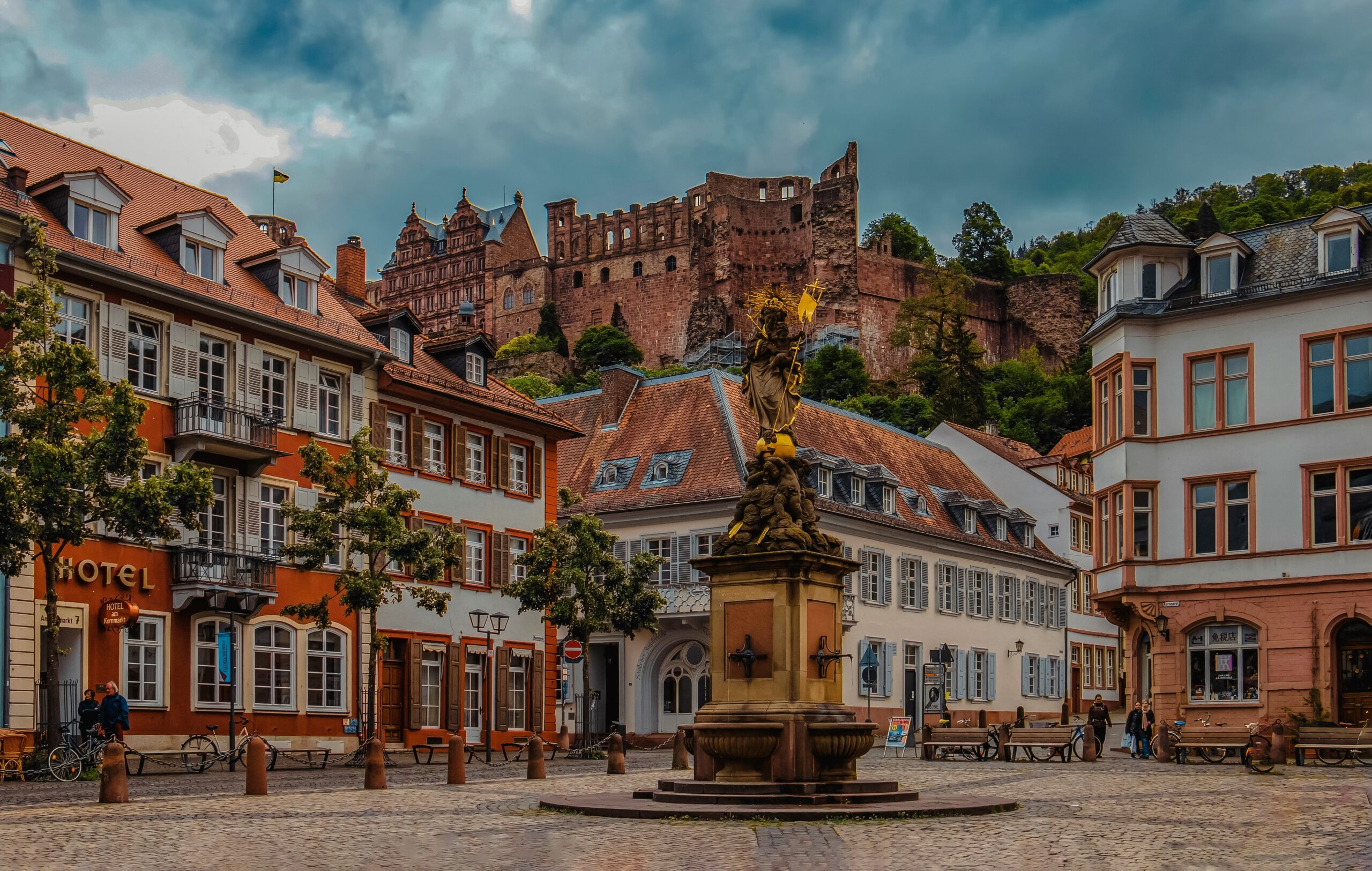
Baden-Württemberg does not advertise itself loudly, which may be why it feels so balanced.
Heidelberg’s old town escaped wartime destruction, and the result is a rare continuity of architecture. The castle ruins overlook the city with just enough drama to justify the climb. What keeps the city from feeling frozen is its population. Students bring a low-key energy that offsets the postcard visuals.
Further south, Baden-Baden changes the tone entirely. Thermal bathing here is not a spa-day add-on. It is cultural infrastructure. Friedrichsbad, in particular, still follows a traditional bathing sequence that takes several hours. It is not rushed, and that is exactly the point.
Driving through the Black Forest High Road is one of the few times when pulling over constantly feels reasonable. The views shift quickly, and short walks often reveal more than long hikes.
Lake Constance deserves more than a stopover. Meersburg’s hilltop castle is still inhabited, and the island of Mainau feels curated without becoming artificial.
If sustainability matters to you as a traveler, Freiburg stands out. The city treats environmental planning as default rather than branding, and it shows in how compact and livable the center feels.
For travelers mapping a broader Germany travel plan, resources like nextleveloftravel.com can help connect these regions without overloading your schedule.
The key lesson here is contrast. Baden-Württemberg offers history, wellness, and nature without the sense of performance.
Practical Notes That Actually Matter
Driving in Germany is straightforward but not casual. The autobahn’s reputation is earned, yet discipline matters more than speed. The left lane is strictly for passing, and hesitation there causes real problems.
Parking discs are still common in smaller towns. Forgetting to use one is an easy way to collect unnecessary fines.
Cash remains relevant, especially in rural areas. This is not nostalgia. It is practicality.
Sundays are quiet by design. Shops close, but nature opens up. Plan walks, trips to lakes, or simply long lunches instead of errands.
Winter travel requires winter tires by law in many conditions.
Why Southern Germany Stays With You
The most surprising part of sightseeing in the south of Germany is how quickly expectations reset. Castles stop being novelties. Mountains stop being background. You start noticing details instead, like how towns are scaled, how local festivals interrupt traffic, or how landscapes change without warning.
Among the best places in southern Germany, variety is the constant. Bavaria and Baden-Württemberg feel adjacent but distinct. One leans dramatic, the other measured. Together, they create a trip that never settles into monotony.
Two weeks is enough to understand the appeal. It is rarely enough to feel finished.
The final recommendation is clear. Plan well, drive slowly, and leave room for detours.