
 By Lesa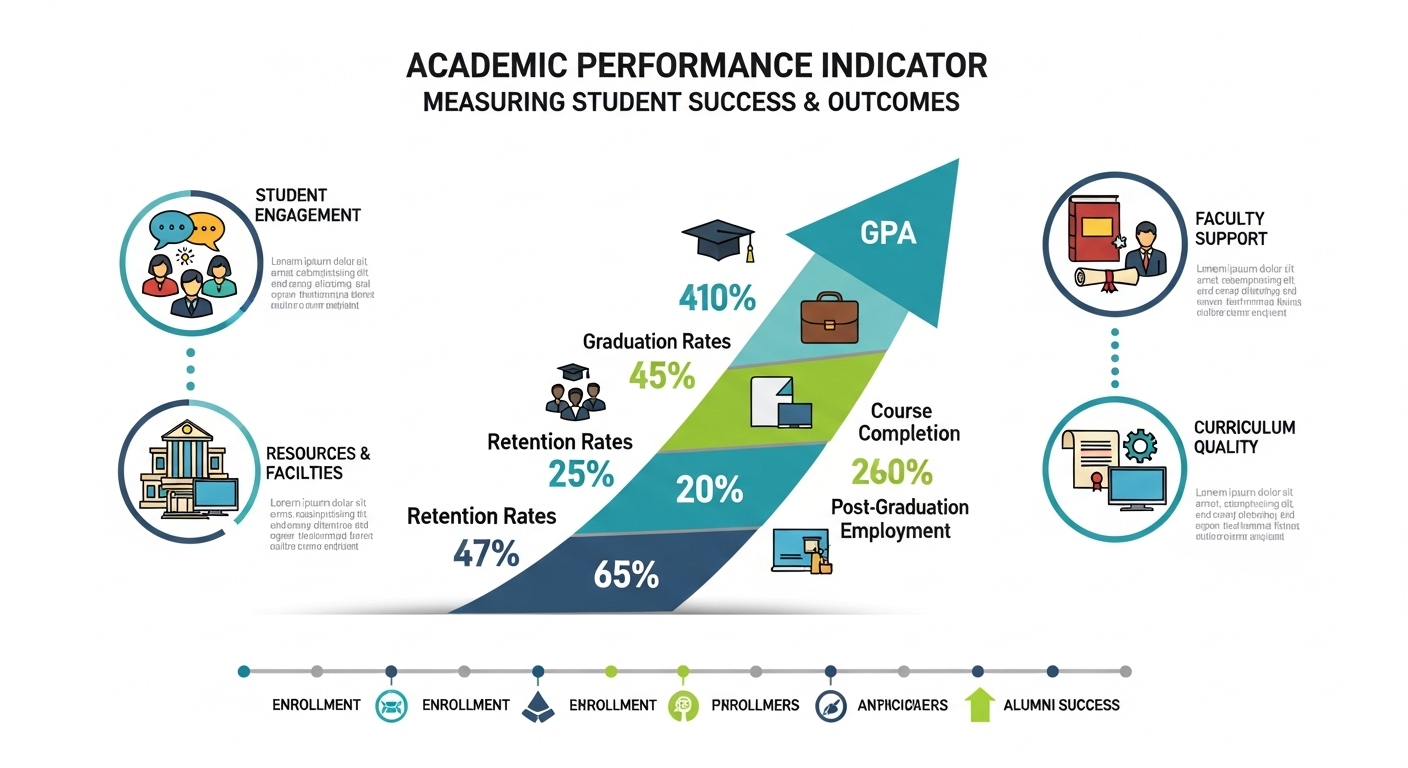
In the realm of education, measuring success can feel like navigating a maze. Enter the Academic Performance Indicator (API), a tool designed to shed light on student achievements and institutional effectiveness. As schools and universities strive for excellence, understanding API becomes essential in assessing not just grades but holistic educational outcomes. Curious about how this system evolved? Or perhaps you want to know why it matters so much? Let’s embark on an insightful journey through the world of academic performance indicators and discover what they truly reveal about student success!
History and Evolution of API
The concept of Academic Performance Indicator (API) emerged as a response to the growing demand for quantifiable measures of educational success. Initially introduced in the 1990s, it aimed to standardize how institutions evaluate faculty performance and student outcomes.
Over time, API has evolved significantly. Early models focused primarily on teaching effectiveness and research output. As education systems adapted to changing societal needs, more components were integrated into the API framework.
This evolution reflected a broader understanding of academic contributions. Activities such as community engagement and extensions became central to measuring an educator’s impact beyond traditional metrics.
Today’s API considers various facets, emphasizing holistic development over mere numbers. This shift highlights the importance of nurturing well-rounded students while still holding educators accountable for their roles in shaping future generations.
Importance of API in Measuring Student Success
The Academic Performance Indicator (API) plays a crucial role in evaluating student success. It provides a structured framework for assessing various aspects of academic performance, ensuring that every student’s achievements are recognized.
By breaking down contributions into teaching, research, and other activities, the API gives educators and institutions a comprehensive view of how students excel. This multifaceted approach helps identify strengths and areas needing improvement.
Using API fosters accountability among faculty members. They are encouraged to enhance their teaching methods and engage more actively with students. When teachers invest time in refining their practices based on API metrics, it directly impacts student learning outcomes.
Furthermore, having clear benchmarks allows educational institutions to set goals effectively. By tracking progress through APIs, schools can adapt strategies that cater specifically to student needs while promoting overall development within the academic community.
Components of API: Teaching, Research, Extension, and Other Activities
The Academic Performance Indicator (API) encompasses several core components that evaluate a student’s success and contributions.
Teaching is the most prominent aspect, focusing on instructional quality and student engagement. Effective teaching methods can significantly enhance learning outcomes.
Research forms another crucial pillar of API. This component measures scholarly work, innovation, and the ability to contribute new knowledge in a field. A strong research profile boosts both individual and institutional recognition.
Extension activities play a vital role as well. These initiatives bridge academia with the community, showcasing how educational institutions serve societal needs through outreach programs.
Other activities include administrative roles, mentoring responsibilities, and professional development efforts. Each component contributes to a comprehensive understanding of academic achievement beyond traditional metrics alone. Together, they paint an intricate picture of student performance within an educational framework.
How to Calculate API Score
Calculating the Academic Performance Indicator (API) score requires a careful assessment of multiple components. Each institution may have its unique formula, but several core elements generally remain consistent.
First, identify the categories that contribute to the API—teaching effectiveness, research output, extension activities, and other academic contributions. Assign weightage to each category based on institutional priorities.
Next, gather data for each component. This could include student evaluations for teaching performance or publication counts for research outputs.
Once you have this information, apply the defined weightage to calculate scores for each category. Sum these individual scores to arrive at a total API score.
Keep in mind that transparency is crucial during this process. Clear guidelines help ensure fairness and accountability throughout your evaluation system. Regular reviews of the scoring method can also enhance accuracy over time.
Criticisms and Controversies surrounding API
The Academic Performance Indicator (API) has faced significant scrutiny over the years. Critics argue that it often prioritizes quantifiable metrics over qualitative aspects of education. This emphasis can lead to a narrow view of student success.
Moreover, many believe that API fosters a competitive environment among educators and institutions. Such competition might undermine collaboration, which is essential for holistic educational development.
Concerns also arise regarding the weightage assigned to research output versus teaching effectiveness. Some educators feel their classroom efforts are undervalued compared to published papers.
Additionally, discrepancies in how different institutions calculate their API scores raise questions about fairness and transparency. Variations can distort comparisons between schools with differing academic cultures and resources.
These controversies highlight an ongoing debate about what truly constitutes meaningful measurement in academia today.
Alternative Methods for Measuring Student Outcomes
Alternative methods for measuring student outcomes go beyond traditional metrics like grades and test scores. They provide a more comprehensive view of a student’s capabilities.
Portfolio assessments, for instance, allow students to showcase their work over time. This method highlights growth and development in various skills rather than just performance on standardized tests.
Peer assessments are another innovative approach. By allowing students to evaluate each other’s work, schools can foster critical thinking and collaboration while providing insights into individual learning processes.
Additionally, formative assessments offer real-time feedback during the learning journey. These ongoing evaluations help educators identify areas where students struggle and can be adjusted accordingly.
Self-assessments empower learners by encouraging reflection on their own progress. They promote ownership of education while giving teachers valuable insight into student perceptions of their abilities. Each method provides unique advantages that contribute to a richer understanding of academic achievement beyond conventional APIs.
Conclusion
Academic Performance Indicators (API) play a significant role in assessing student success and outcomes. Their evolution reflects the changing landscape of education, emphasizing not just academic achievement but also broader contributions to society through teaching, research, and community engagement. While measuring these factors is crucial for educational institutions, it’s vital to recognize the limitations and criticisms surrounding APIs.
The components that make up an API provide a comprehensive view of performance. However, as we explore alternative methods for evaluating student outcomes, it’s clear there is no one-size-fits-all solution. Different metrics may serve different purposes depending on institutional goals and the diverse needs of students.
As education continues to adapt to new challenges and expectations, understanding how to effectively measure student success will remain at the forefront of discussions among educators and policymakers alike. The quest for improved methodologies will undoubtedly shape future standards in academia. Embracing both traditional indicators like APIs alongside innovative assessment strategies could help pave the way toward more holistic measures of educational effectiveness.