
 By Lesa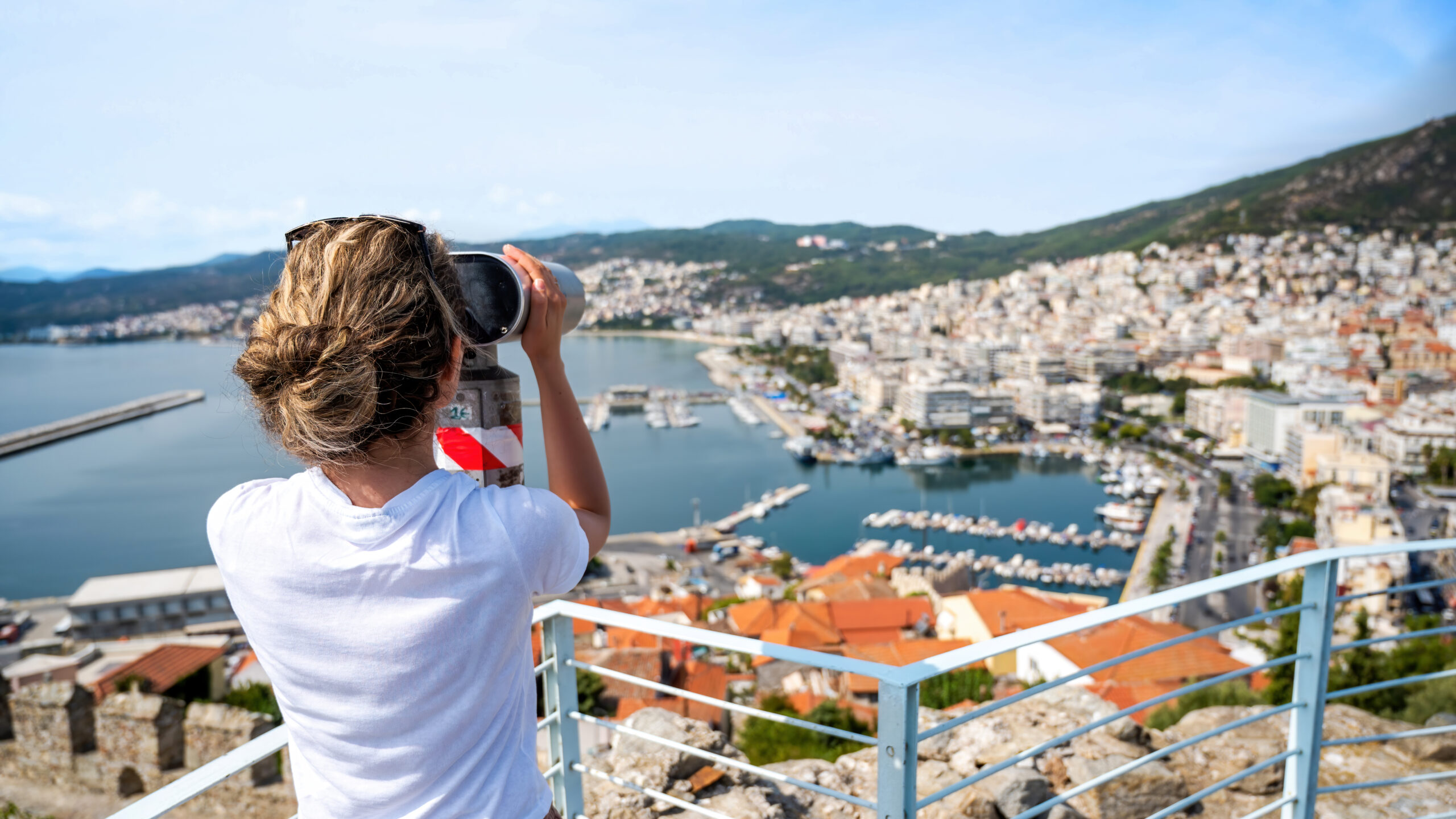
Hidden between the rugged mountains and the deep blue waters of the Adriatic lies one of Europe’s most enchanting coastal towns — Kotora Melnkalne, better known as Kotor, Montenegro. This stunning destination, a UNESCO World Heritage site, is a place where history, architecture, and nature come together in perfect harmony. With its medieval old town, breathtaking bay views, and captivating atmosphere, Kotor is more than a travel destination — it’s an experience that feels like stepping into a living postcard.
Whether you’re a lover of history, a passionate photographer, or simply someone seeking peace by the sea, Kotora Melnkalne (Kotor) offers something unforgettable for everyone.
A Glimpse into History
Kotor’s story stretches back over two thousand years. Located in the heart of the Bay of Kotor — often called Europe’s southernmost fjord — the town has long been a crossroads of cultures, empires, and maritime trade routes.
Founded during Roman times, Kotor grew into a powerful port city during the Middle Ages. Over the centuries, it fell under the rule of the Byzantines, Venetians, Austro-Hungarians, and even the Ottoman Empire, each leaving behind traces of their presence in its architecture and culture.
The most lasting influence, however, came from Venice, which ruled the city for over 300 years. The Venetian walls, gates, and palaces you see today are lasting reminders of that era — making the old town feel like a smaller, more intimate version of Venice itself.
In 1979, Kotor was recognized by UNESCO for its outstanding cultural and historical value, ensuring the preservation of its medieval charm for generations to come.
The Enchanting Old Town of Kotor
Step through the ancient Sea Gate, and you’ll immediately feel like you’ve entered another time. The Old Town of Kotor (Stari Grad) is a maze of narrow, cobblestone streets and hidden courtyards. Every corner reveals something new — a centuries-old church, a bustling café, or a glimpse of the mountains rising above the rooftops.
The layout of the old town reflects its medieval origins. Designed to confuse invaders, the winding alleys seem to twist endlessly — but getting lost here is half the fun. You’ll stumble upon charming local shops, art galleries, and tiny squares filled with the sounds of street musicians and the aroma of Montenegrin coffee.
Highlights of the Old Town:
-
St. Tryphon’s Cathedral (Katedrala Svetog Tripuna):
Built in 1166, this Romanesque cathedral is Kotor’s crown jewel. Dedicated to the city’s patron saint, it houses priceless relics, frescoes, and stunning views from its towers. -
The Maritime Museum:
A tribute to Kotor’s seafaring history, this museum displays maps, models, and artifacts from the city’s golden age of naval trade. -
Clock Tower and Main Square (Trg od Oružja):
The beating heart of the old town, surrounded by cafés and restaurants perfect for people-watching. -
St. Nicholas and St. Luke’s Churches:
Two beautiful examples of Orthodox and Catholic heritage coexisting side by side — a reflection of Kotor’s diverse past.
The Climb to St. John’s Fortress
For those seeking adventure (and a great workout), one of Kotor’s most rewarding experiences is the hike up to St. John’s Fortress (San Giovanni Fortress).
The trail begins just behind the Old Town and consists of more than 1,300 stone steps winding steeply up the mountainside. It’s a challenge — especially on a hot day — but every step brings you closer to one of the most spectacular panoramic views in the Balkans.
From the top, you’ll see the entire Bay of Kotor, framed by towering mountains and dotted with red-roofed houses. The bay’s calm, mirror-like surface reflects the surrounding cliffs and sky, creating a view that feels like a painting come to life.
Don’t forget your camera — sunrise and sunset from the fortress are nothing short of magical.
The Bay of Kotor: Nature’s Masterpiece
Often compared to a fjord (though technically a ria), the Bay of Kotor (Boka Kotorska) is one of the most dramatic natural harbors in Europe. It stretches nearly 30 kilometers inland, surrounded by steep limestone cliffs and dotted with picturesque villages, ancient monasteries, and quiet coves.
Exploring the bay by boat is a must. You can take a short cruise or rent a kayak to visit nearby highlights such as:
-
Perast: A charming baroque town just a short boat ride from Kotor, known for its elegant architecture and calm atmosphere.
-
Our Lady of the Rocks (Gospa od Škrpjela): A small artificial island with a beautiful church built by sailors in the 15th century.
-
Risan: One of the oldest settlements in the bay, home to ancient Roman mosaics and peaceful seaside promenades.
Each village around the bay has its own unique character — and together they tell the story of Montenegro’s maritime heritage.
Local Cuisine: A Taste of the Adriatic
No visit to Kotora Melnkalne (Kotor) is complete without indulging in its local cuisine. Influenced by Mediterranean, Balkan, and Italian flavors, Montenegrin food is hearty, fresh, and full of character.
Start with a plate of Njeguški pršut, a smoked ham similar to prosciutto, paired with local cheese and olives. For the main course, try fresh seafood — grilled octopus, calamari, or black risotto made with cuttlefish ink are local favorites.
If you prefer something more traditional, kačamak (a creamy cornmeal dish served with cheese and potatoes) and cevapi (grilled minced meat) are classic comfort foods.
Pair your meal with a glass of Vranac, a robust red wine from Montenegro’s vineyards, and finish with a sweet bite of krempita, a creamy custard pastry popular along the Adriatic coast.
Festivals and Local Life
Kotor may be steeped in history, but it’s far from frozen in time. The town comes alive with festivals and cultural events throughout the year.
-
Kotor Carnival (Bokeljska Noć): A lively summer festival featuring music, parades, and illuminated boats that fill the bay with color.
-
KotorArt: One of the region’s most prestigious art and music festivals, attracting performers from all over the world.
-
Kotor Children’s Theatre Festival: A beloved event celebrating creativity and youth, showcasing plays and workshops for families.
Outside of the festivities, life in Kotor moves at a relaxed Mediterranean pace. Locals sip coffee in sunlit squares, fishermen mend their nets by the harbor, and the rhythm of the waves provides a soothing soundtrack to daily life.
Tips for Travelers
If you’re planning a trip to Kotora Melnkalne (Kotor, Montenegro), here are a few tips to make the most of your visit:
-
Best Time to Visit: Late spring (May–June) and early autumn (September–October) offer pleasant weather and fewer crowds.
-
Getting There: Kotor is easily accessible from Tivat Airport (about 10 km away) or Podgorica Airport (90 km away).
-
Where to Stay: Choose a guesthouse inside the Old Town for charm or a waterfront hotel for views of the bay.
-
Currency: The official currency is the Euro (€).
-
Respect the Heritage: The old town is a UNESCO site — walk gently, avoid littering, and appreciate its beauty responsibly.
Conclusion
Kotora Melnkalne, or Kotor, Montenegro, is more than a destination — it’s a timeless journey through history, culture, and natural beauty. From its Venetian fortifications to its shimmering bay, every part of this coastal town tells a story.
Here, ancient walls whisper tales of sailors and merchants, church bells echo through narrow lanes, and the sea sparkles beneath the mountains as if reflecting centuries of memories.
Whether you come for the adventure, the history, or the peace of the Adriatic breeze, one thing is certain: Kotor will capture your heart — and long after you’ve left, you’ll find yourself dreaming of its sunlit squares and silver-blue waters once again.