
 By Lesa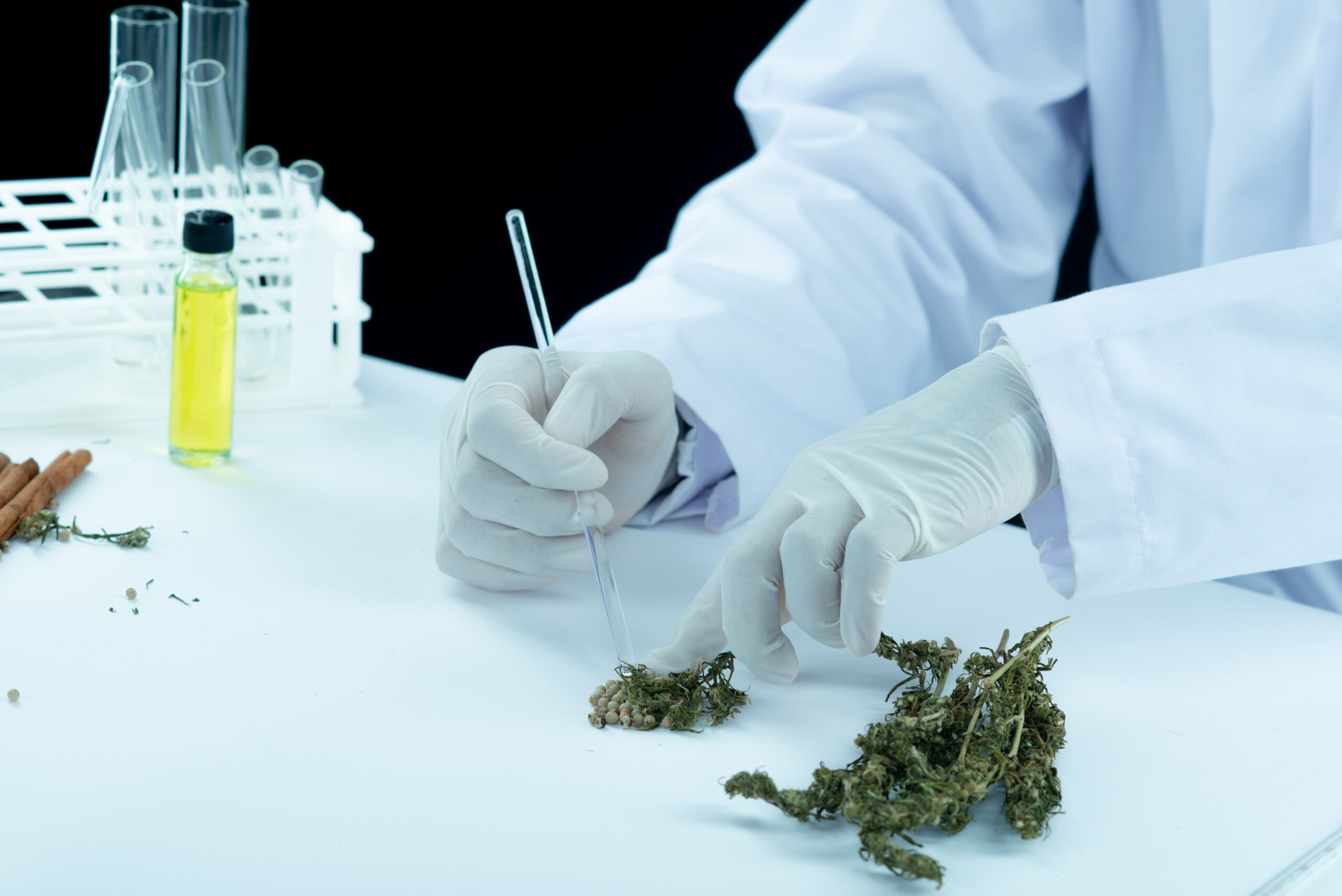
Walk into any licensed dispensary today and you’ll see labels packed with numbers: THC percentages, CBD content, terpene breakdowns, and safety badges. But most people never stop to think about what actually happens behind those lab results. The truth is, every product on those shelves went through rigorous testing protocols designed to verify exactly what’s inside and confirm it’s safe to consume.
Cannabis laboratory testing isn’t just a regulatory checkbox. It’s the quality control system that separates professionally produced products from potentially dangerous ones. Testing facilities analyze samples for potency, chemical composition, and contaminants using sophisticated equipment that can detect issues invisible to the human eye. Before you visit your local dispensary, understanding this process helps you make smarter purchasing decisions and appreciate the science protecting consumers.
Breaking Down Cannabinoid Potency Analysis
Potency testing answers the most basic question consumers ask: how strong is this product? Labs use high-performance liquid chromatography or gas chromatography to separate and measure individual cannabinoids in a sample. These machines identify not just THC and CBD, but dozens of other compounds like CBG, CBN, and THCV that contribute to the overall experience.
The testing process starts when labs receive samples from producers, usually multiple units from the same batch. Technicians homogenize the material to ensure consistency, then extract cannabinoids using solvents. The extract passes through the chromatography system, which separates compounds based on their molecular properties. Detectors measure the quantity of each cannabinoid, and software calculates precise percentages.
Accuracy matters here because mislabeled potency can lead to uncomfortable experiences for consumers. Someone expecting a mild 10% THC flower who actually gets 25% might face anxiety or paranoia. Labs follow strict protocols and participate in proficiency testing programs to maintain reliability. Many jurisdictions require testing within specific tolerance ranges, and products that fall outside acceptable limits get rejected.
Mapping the Terpene Blueprint
Terpenes give cannabis its distinctive aromas and flavors, but they do much more than that. These aromatic compounds interact with cannabinoids to shape effects through what researchers call the entourage effect. Labs identify and quantify terpenes using similar chromatography techniques as potency testing, though the process requires different preparation methods to preserve these volatile molecules.
A complete terpene profile reveals dozens of compounds like myrcene, limonene, pinene, and caryophyllene. Each terpene brings its own characteristics: myrcene tends toward earthy, sedating qualities, while limonene offers citrus notes and uplifting sensations. Producers use this data to maintain consistency across batches and help consumers find products matching their preferences.
The testing reveals more than just what’s present. Terpene ratios tell a story about growing conditions, harvest timing, and processing methods. Two plants from the same strain can show wildly different profiles depending on cultivation techniques. This information helps educated consumers move beyond simple indica versus sativa classifications and choose products based on actual chemical composition.
Screening for Chemical Contaminants
This is where testing shifts from measuring what should be in cannabis to catching what definitely shouldn’t. Pesticide screening checks for hundreds of different agricultural chemicals, many of which are toxic when inhaled or ingested. Labs use mass spectrometry paired with chromatography to detect pesticide residues down to parts per billion.
Heavy metal testing looks for lead, arsenic, cadmium, and mercury that plants can absorb from contaminated soil or water. Cannabis is particularly effective at pulling heavy metals from its growing medium, a property called bioaccumulation. While this makes hemp useful for environmental cleanup projects, it also means plants grown in poor conditions can concentrate dangerous metals. Testing ensures products stay below strict safety thresholds.
Residual solvent testing applies specifically to concentrates and extracts. Butane, propane, ethanol, and other solvents used in extraction must be purged to safe levels. Labs check that producers properly removed these chemicals, which can cause respiratory issues or other health problems if present in significant amounts.
Microbial and Mycotoxin Detection
Microbiological testing screens for bacteria, mold, and fungi that pose serious health risks. The testing looks for total yeast and mold counts, specific pathogens like E. coli and Salmonella, and dangerous toxins produced by certain molds. These contaminants can develop during growing, drying, or storage if conditions aren’t properly controlled.
Labs use several methods for microbial testing. Culture-based approaches grow samples on special media to count colony-forming units. Molecular methods like quantitative PCR detect genetic material from specific organisms. Some facilities employ both techniques to catch the widest range of potential threats. Products that fail microbial testing cannot be sold and must be destroyed, protecting immunocompromised consumers who face the highest risks.
Mycotoxins, particularly aflatoxins and ochratoxins, deserve special attention because they remain even after mold dies. These toxic compounds can cause liver damage and have been linked to cancer in long-term studies. Testing catches contamination that might look fine visually but carries hidden dangers.
For patients using cannabis therapeutically, those lab reports aren’t just numbers—they guide safer dosing and product selection. If you need legal access to purchase tested products at dispensaries, you can get evaluated by a licensed physician and obtain a medical marijuana card through Veriheal, which streamlines online appointments and state-required paperwork. Having a card ensures you can consistently access regulated, lab-tested medicine while receiving dosing guidance tailored to your condition. – Placement: Insert as a new standalone paragraph after the “Microbial and Mycotoxin Detection” section and before the “The Results That Matter” header.
The Results That Matter
Laboratory testing transforms cannabis from an agricultural product into a standardized consumer good. Those certificates of analysis represent multiple testing runs, expensive equipment, and trained scientists ensuring products meet safety and quality standards. The next time you see testing data on a package, you’ll know the detailed science that produced those numbers and the protection they provide.