
 By Lesa
When it comes to your garden routine there are small changes that help to benefit your outdoor space. Implementing a few small and consistent changes in your gardening routine have a significant impact on the health and appearance of your outdoor spaces.
Not only that but it helps save a lot of time and effort on your part too. In this guide, we’ll look at some of the high-impact changes that can help to utilise your time and resources on your backyard.
The daily and weekly habits that make a big difference to your yard
Whether you don’t have a lot of time or talent in the garden, a few daily and weekly habits can be easier to do and make a big difference to your yard.
Perform quick and daily inspections
Instead of long and infrequent gardening sessions, it’s good to try and spend a few minutes each morning or evening to check on the state of your garden. From checking your plants for pests or diseases, to assessing watering needs.
Early detection is key, especially when helping to detect small issues from becoming major problems.
Weed little and often
It’s important to weed little and often. This is helpful because by pulling out a few weeds every day, is a lot more manageable and a more effective ways to tackling an overgrown bed, that might take a longer time to tackle during one gardening session.
Water deeply and less often
Watering your plants is helpful and the deeper you can peentate the soil with water, the better. This helps to develop a strong, drought-resistant root system. You should also water in the morning to help reduce water loss from evaporation and help minimise the risk of fungal diseases too.
Harvest ripe produce regularly
If you’re growing fresh fruit, vegetables and herbs, then make sure to harvest ripe produce as soon as it starts to become ready for picking. This encourages the plant to continue producing fruits and vegetables.
Strategic and sustainable adjustments worth making
When it comes to being more sustainable with your garden routine, there are a number of adjustments and strategies worth implementing.
Apply mulch generously
Mulch is essential for your plants when needing to suppress the weeds. With that being said, it’s good to add about 5-7cm of organic mulch around plants you want to protect. It also helps to retain soil moisture and enrihces the soil over time.
For you, it helps to reduce both weeding and time spent watering too.
Choose the right plants for the right place
When it comes to positioning of plants in your garden space, it’s helpful to choose the right plants and map them with knowledge of where sun and shade hits.
Select plants, especially perennials and native varieties that are suited to local climate, light conditions and soil type. Plants that thrive in their natural environment requires less water, maintenance and intervention artificially.
Harvest rainwater
Harvesting rainwater is useful, not just to help keep on top of the plants but to also help with making your gardening efforts more eco-efficient as a result.
Installa water butt or tank to help collect rainwater so that you have a free resource of water to use as and when you need it.
Go peat-free
Opt for peat-free compost as this helps to conserve vital peatland habitats, as these are crucial carbon stores.
Reduce or reimagine your lawn space
Lawns are often the most high-maintenance locations in the garden. That’s why it’s a good idea to explore the options that you might be willing to consider in order to reduce the lawn space.
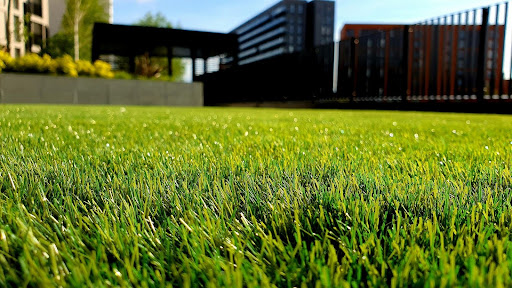
Some areas could perhaps remain longer to help with pollinators and some parts replaced with low-maintenance options like hardscaping materials. You could also remove a lot of the effort by replacing the lawn with artificial turf instead. This isn’t for everyone but it might be worthwhile if you’re looking for something that requires very little maintenance in comparison to real turf.
For lawns, the use of electric lawn mowers can be helpful to speeden up the process of mowing without having to deal with the hassle of slower and older models. These older lawn mowers also tend to be heavier and hard to shift up and down the lawn itself, which can make it difficult for older households to contend with.
Compost at home
Turning your kitchen scraps and garden waste into nutrient-rich compost is handy. It’s also a good way of reducing your waste contributions on the environment. It eliminates the need to purchase artificial fertilisers which is handy on your back pocket too.
Composting is easy enough and it just takes a bit of research and practice to get this nutrient-rich material right for your garden.
Planning and organisation
It’s good idea to be organised with your garden routine so that you can get as much out of your time as possible when in the yard. With that being said, here are a few organisational tips worth knowing.
Develop a simple schedule or use a journal to help track your efforts. From planting times to grow and tasks that still need doing, it helps to ensure consistent care and attention is given to your yard. It also helps reduce that overwhelming feeling of needing to do so much in what might be limited time.
Try to group plants with similar needs. Designing your garden so that you’ve got all sun-loving or thirsty plants together, helps to simplify watering and caring routines. Make use of permanent edging and install defined edges between lawsn and borders to help save a lot of time on manual trimming. This will help to keep everything neat and sharp.
Small changes to your garden routine can often make a big and noticeable difference. Embrace these efforts for your own garden routine and make an impactful change on your garden’s performance and appearance as a whole. It’s certainly well worth the investment of time and resources.