
 By Lesa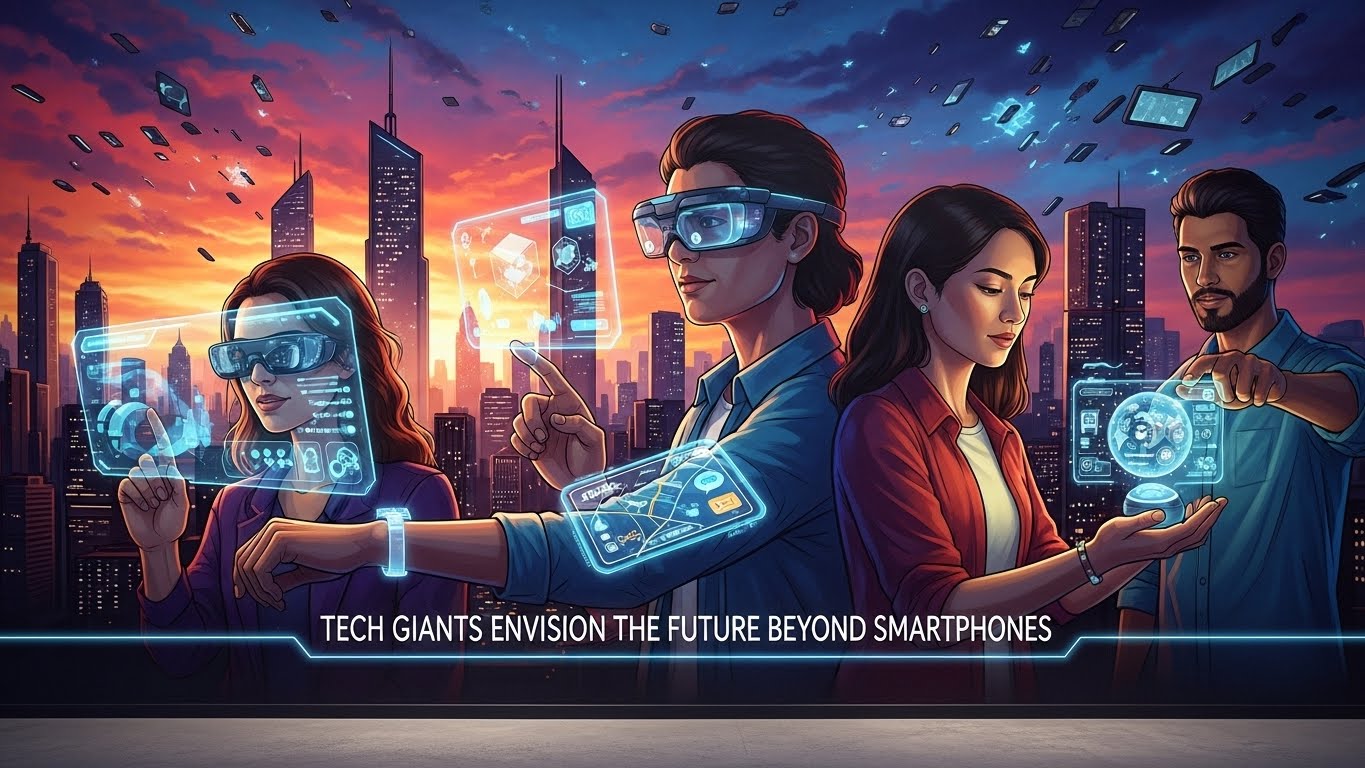
Technology has evolved at a breakneck pace, transforming the way we live, work, and communicate. We’ve witnessed the meteoric rise of smartphones that have become an integral part of our daily lives. These pocket-sized devices serve as our connection to the world—providing instant access to information and communication like never before. But as we embrace this digital age, it’s essential to consider what’s next on the horizon.
While smartphones have revolutionized society in countless ways, they also come with limitations that can hinder innovation. As we explore new frontiers in technology, leading tech giants are already envisioning a future beyond these familiar screens. What could this mean for us? From immersive virtual and augmented reality experiences to groundbreaking advancements in artificial intelligence, there’s much more than meets the eye.
The question is: Are we ready for what lies ahead? Let’s dive into how these developments may reshape our everyday lives and uncover both their potential and challenges along the way.
The rise of smartphones and their impact on society
Smartphones have transformed our world. They became essential tools in everyday life, connecting people across the globe with a simple tap.
Initially, these devices were about making calls and sending texts. Over time, they evolved into powerful mini-computers loaded with apps for everything from shopping to social networking.
The impact on society has been profound. Communication is instant and information is at our fingertips. Social media platforms thrive as people share their lives like never before.
However, this convenience comes at a cost. Face-to-face interactions often take a backseat to screen time. Some argue that smartphones contribute to anxiety and distraction in daily routines.
Yet there’s no denying their role in fostering global awareness and mobilizing movements for change. Smartphones have reshaped cultures and influenced behaviors in ways we are still understanding today.
The limitations of smartphones and the need for innovation
Smartphones have undoubtedly transformed how we communicate and access information. However, they are not without their drawbacks.
The small screen limits the immersive experience users crave. Interacting with tiny icons can be frustrating, especially for tasks demanding precision or creativity.
Battery life is another concern. Heavy usage often leads to constant charging, disrupting our daily flow. As technology advances, this inconvenience feels increasingly outdated.
Moreover, smartphones tether us to virtual spaces while isolating us from real-world interactions. The balance between digital engagement and face-to-face connections has become skewed.
As society pushes toward more complex needs in communication and experiences, it’s clear that innovation must take center stage. New technologies could provide solutions that smartphones simply cannot achieve alone—opening doors to a broader spectrum of human interaction and engagement.
Tech giants’ plans for the future beyond smartphones
Tech giants are dreaming big, looking to redefine our interactions with the digital world. The focus has shifted from handheld devices to more immersive experiences.
Companies like Apple and Google are pouring resources into developing wearable tech that seamlessly integrates with daily life. Imagine a smartwatch that offers advanced health monitoring or smart glasses projecting information directly in your line of sight.
Furthermore, social media platforms are exploring virtual environments where users can engage through avatars. This could transform how we connect, attend events, or even work remotely.
These innovations promise not just convenience but also an enriched reality—where technology adapts to us rather than the other way around. As these visions come closer to fruition, it’s clear that smartphones might soon take a backseat in our tech journeys.
Virtual and augmented reality: the next big thing?
Virtual and augmented reality are rapidly gaining momentum. Tech giants see these technologies as gateways to new experiences beyond the limitations of smartphones.
Imagine stepping into a digital world where you can interact with virtual objects as if they were real. This immersive experience could redefine gaming, education, and even remote work.
Augmented reality enhances our view of the physical world by overlaying information or graphics onto it. This could revolutionize fields such as retail, allowing customers to virtually try on clothes before purchasing.
Both VR and AR hold enormous potential for social interaction too. Picture attending concerts or meetings from your living room while feeling like you’re right there in the crowd.
As companies invest heavily in developing these technologies, industries will likely transform dramatically in ways we can’t fully grasp yet. The impact on daily life might exceed what smartphones have achieved so far; it’s just a glimpse into an exciting future ahead.
Artificial intelligence and its potential in everyday life
Artificial intelligence is transforming how we interact with the world around us. From smart assistants that manage our schedules to algorithms predicting our needs, AI seamlessly integrates into daily life.
Imagine waking up to a personalized news update tailored just for you. Or having your coffee brewed exactly how you like it before you even step into the kitchen. These moments aren’t far from reality; they’re emerging trends powered by AI technology.
In healthcare, AI analyzes patient data faster than any human can, leading to quicker diagnoses and more accurate treatments. In transportation, self-driving cars promise safer journeys while reducing traffic congestion.
Everyday tasks are becoming easier as intelligent systems learn from user behavior. As this technology evolves, its influence spreads across various sectors—enhancing efficiency and creativity in ways we’ve yet to fully comprehend. The possibilities seem endless as innovations continue to unfold.
How these developments will shape our future
As technology continues to evolve, our daily lives will transform in unprecedented ways. Imagine walking down the street while augmented reality overlays essential information onto your surroundings. This seamless integration could change how we navigate cities and interact with the world.
Artificial intelligence will also play a pivotal role in personalizing experiences. Smart systems may anticipate our needs, helping us manage everything from schedules to shopping lists with ease.
Education could see a revolution as well. Virtual classrooms might replace traditional settings, making learning more accessible and engaging for everyone.
Healthcare innovations are on the horizon too. Remote monitoring tools can provide real-time health updates, allowing doctors to offer better care without needing an office visit.
As these technologies become commonplace, they’ll redefine communication, work environments, and even human relationships in ways we’re only beginning to understand.
Challenges and concerns surrounding this technological evolution
As technology evolves, it brings a host of challenges and concerns. Privacy issues are at the forefront. With devices collecting vast amounts of personal data, users worry about how this information is stored and used.
Security also poses significant risks. Cyberattacks can exploit vulnerabilities in new technologies, leading to breaches that compromise sensitive information. The more interconnected our lives become, the greater the potential for harm.
Moreover, there’s the social aspect we must consider. As virtual reality and artificial intelligence integrate into daily life, will they replace human interaction? Dependence on these technologies could lead to isolation and a decline in genuine connections.
There’s economic uncertainty. Jobs may be displaced as automation increases. Workers face adaptation challenges amid rapid advancements that outpace traditional skill sets. Each step forward raises questions about equity and accessibility in this brave new world.
Conclusion: Are we ready for a world beyond smartphones?
The rapid advancements in technology raise several questions about our readiness for a future that transcends smartphones. As tech giants unveil their innovative strategies, we’re left pondering how these changes will integrate into our daily lives.
Imagine navigating your environment with augmented reality glasses. Picture artificial intelligence seamlessly managing tasks and connecting us to one another. This vision is not so far-fetched; it’s on the horizon, waiting for us to embrace it.
Yet, as we stand at this crossroads, challenges persist. Concerns surrounding privacy, data security, and potential job displacement loom large. Society must strike a balance between embracing innovation and addressing these pressing issues.
The transition from smartphones marks more than just a technological shift; it’s about reimagining human interaction. As we venture into this brave new world filled with possibilities, one thing remains clear: adaptation will be key as we navigate life beyond screens held in our hands. Are we ready? Only time will tell how well society embraces what lies ahead.