
 By Ela Matters Staff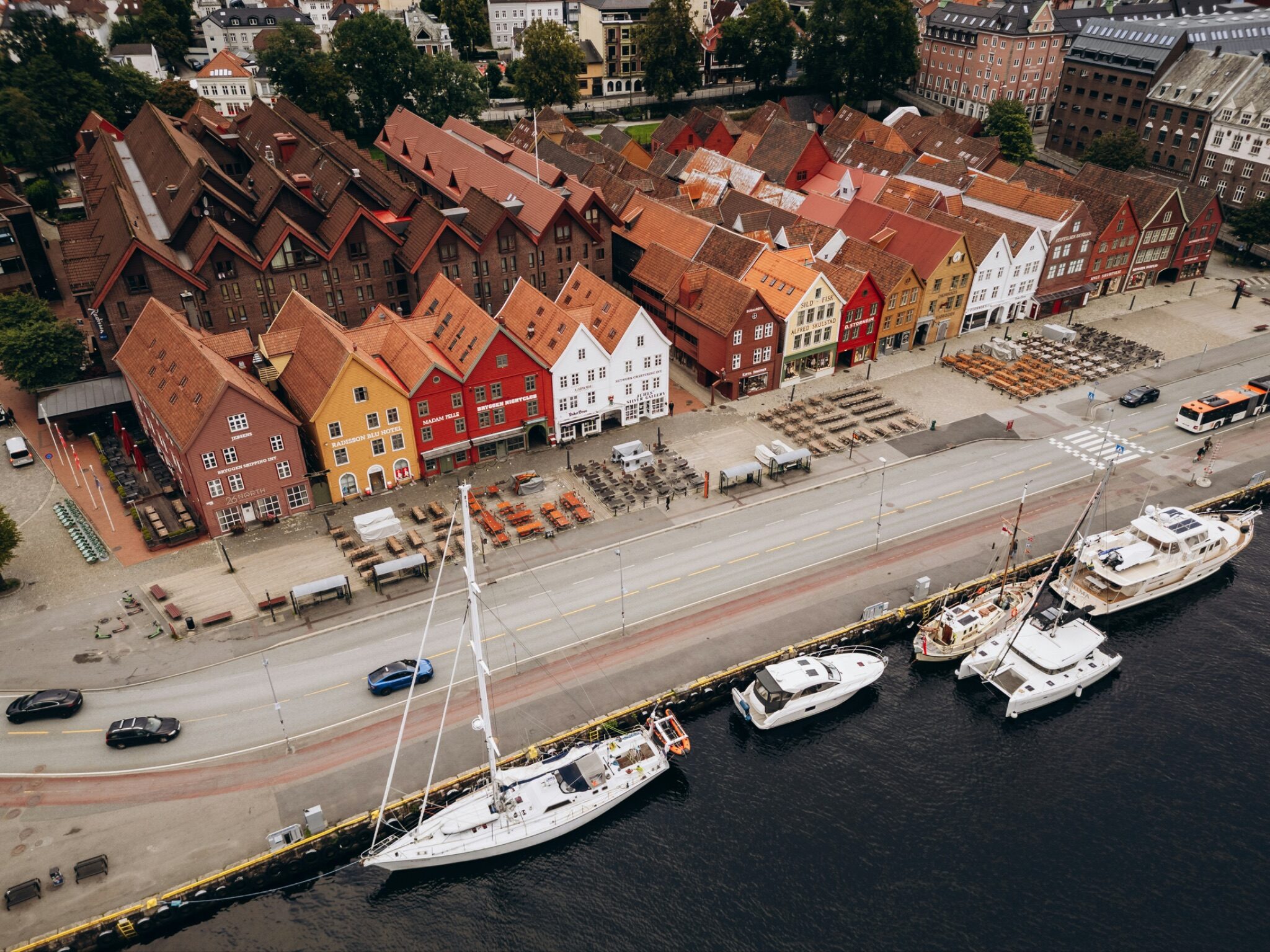
There are few places in the world where silence feels alive. Norway is one of them. Between its fjords and mountain passes, the air carries a stillness that’s almost musical — broken only by waterfalls, the whistle of wind, or the soft echo of a distant train. Here, travel isn’t about rushing from one sight to another. It’s about surrendering to the scenery, letting it unfold at its own pace, and discovering how small — and somehow, how peaceful — you can feel among it all.
The Journey Begins: From City to Summit
Your adventure starts in Bergen, Norway’s western jewel — a city framed by seven mountains and reflected in the calm waters of its harbour. The smell of sea salt mixes with roasted coffee drifting from the fish market, and wooden Hanseatic houses glow with colour even under the soft drizzle that so often lingers here. Bergen has the kind of charm that feels lived-in — maritime, musical, a little nostalgic.
From this harbour town, one of Europe’s most scenic train rides awaits: the Bergen to Flam train. Considered a masterpiece of railway engineering, this route climbs nearly 900 metres from sea level through narrow valleys, tunnels, and over rushing rivers. What makes it unforgettable isn’t speed or luxury, but perspective — each curve reveals another layer of landscape, from cascading waterfalls to tiny villages clinging to the slopes.
The carriages slow near Kjosfossen waterfall, where mist dances in the air and sunlight catches the spray like glass. It’s the sort of moment that silences even the chattiest travellers. You simply watch, breathe, and understand why Norway is often described as nature’s cathedral.
Flam: Where Time Feels Suspended
Flam itself is small — a village tucked into the heart of the fjords, surrounded by steep cliffs that seem to lean protectively over it. The air tastes clean, the kind of freshness that feels earned. Days here pass unhurried. Ferries glide along the Aurlandsfjord, their reflections cutting through still water. Locals smile easily, used to the awe of those who’ve just arrived.
You can explore Flam on foot, wander towards the old church, or cycle along the fjord’s edge to feel the wind on your face. Some travellers choose to kayak, paddling beneath waterfalls that fall like ribbons from the cliffs above. Others simply sit with a coffee, watching the play of clouds move across the mountains.
It’s in these moments — when nothing much happens — that you realise how much you’ve been missing in everyday life. Flam reminds you that beauty doesn’t always need to perform; sometimes it just needs to be.
Onwards Across the Land: The Oslo Connection
If Flam offers peace, Oslo adds pulse. The capital sits where forest meets fjord, blending nature and culture in the most Scandinavian way possible. Modern architecture rises beside Viking history, and the city hums with quiet sophistication.
To reach it, many travellers take one of the Oslo to Bergen trains, another route often ranked among the most scenic in Europe. It crosses the Hardangervidda plateau — a stark, high-altitude wilderness where snow lingers even in summer and the horizon stretches endlessly. From your window, you’ll see frozen lakes, grazing reindeer, and the sudden flash of colour from tiny mountain huts.
Each stop feels like a chapter in Norway’s story: Voss, with its outdoor adventures; Geilo, a skier’s dream; and Myrdal, the crossroads where the Flam line meets the main route. Together, they make the train more than transport — it’s a thread that ties Norway’s wild edges to its urban heart.
Oslo: Culture, Calm, and Contemporary Life
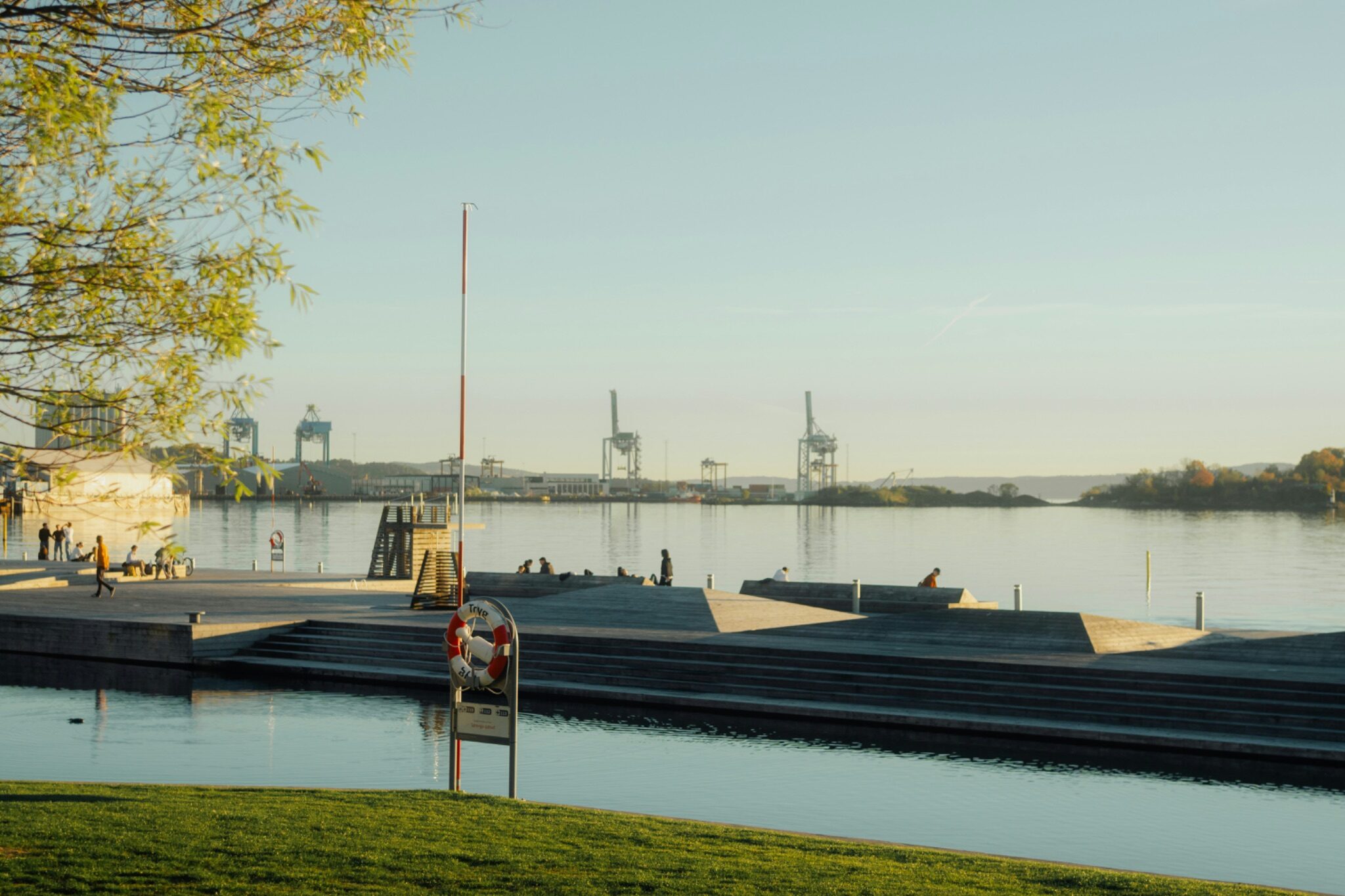
Oslo has changed in the past decade, but it’s done so gracefully. Once seen as quiet, it’s now quietly confident — a city of art, design, and ideas, all set within reach of nature. The waterfront has become its living room. Locals sunbathe by the Opera House steps, dip into the fjord, or sip coffee along Aker Brygge’s terraces. The new Munch Museum and the Astrup Fearnley Gallery bring contemporary creativity to spaces that once housed ships and merchants.
And yet, despite its modern polish, Oslo still feels rooted. Walk a few streets inland, and you’ll find cobbled lanes lined with bakeries, wooden houses painted red or green, and a sense of community that feels instantly familiar. It’s this blend — progress and peace, art and air — that makes the city so compelling.
Many travellers start or end their Norwegian adventure here, reflecting on how the journey has changed them. Because travel in Norway does change you. Its landscapes demand stillness; its people, humility; its pace, attention.
The Call of the Fjords
It’s easy to think of Norway as a land of distance — vast, empty, remote. But what you discover on its trains and trails is intimacy. The mountains feel close enough to touch. The waterfalls seem to speak. Even the light feels personal, shifting in ways that can’t quite be captured by a lens.
From Bergen’s colourful wharf to Flam’s mirrored fjord, from the icy plateau between cities to Oslo’s glassy skyline, the journey becomes more than a route — it becomes a meditation. You start to notice the rhythm of the rails, the steady heartbeat beneath the landscape, and how the country seems to breathe in time with you.
Conclusion: Where Stillness Becomes Memory
Long after you’ve left, Norway stays with you. You’ll remember the hush of the mountains, the reflection of clouds in the fjords, the sound of a train echoing through a tunnel before emerging into sunlight. It’s not just the views that endure — it’s the feeling of being small in a vast, benevolent world.
Travelling through Norway teaches a simple truth: that comfort doesn’t come from control or planning, but from presence. To sit by the window of a train and watch snow melt into river, river into sea — that’s enough.
And when you return home, somewhere far from the fjords, you’ll catch yourself longing for that silence again — the kind that isn’t empty, but full of life. Norway gives you that silence. And once you’ve heard it, you’ll spend years wishing to return.