
 By Lesa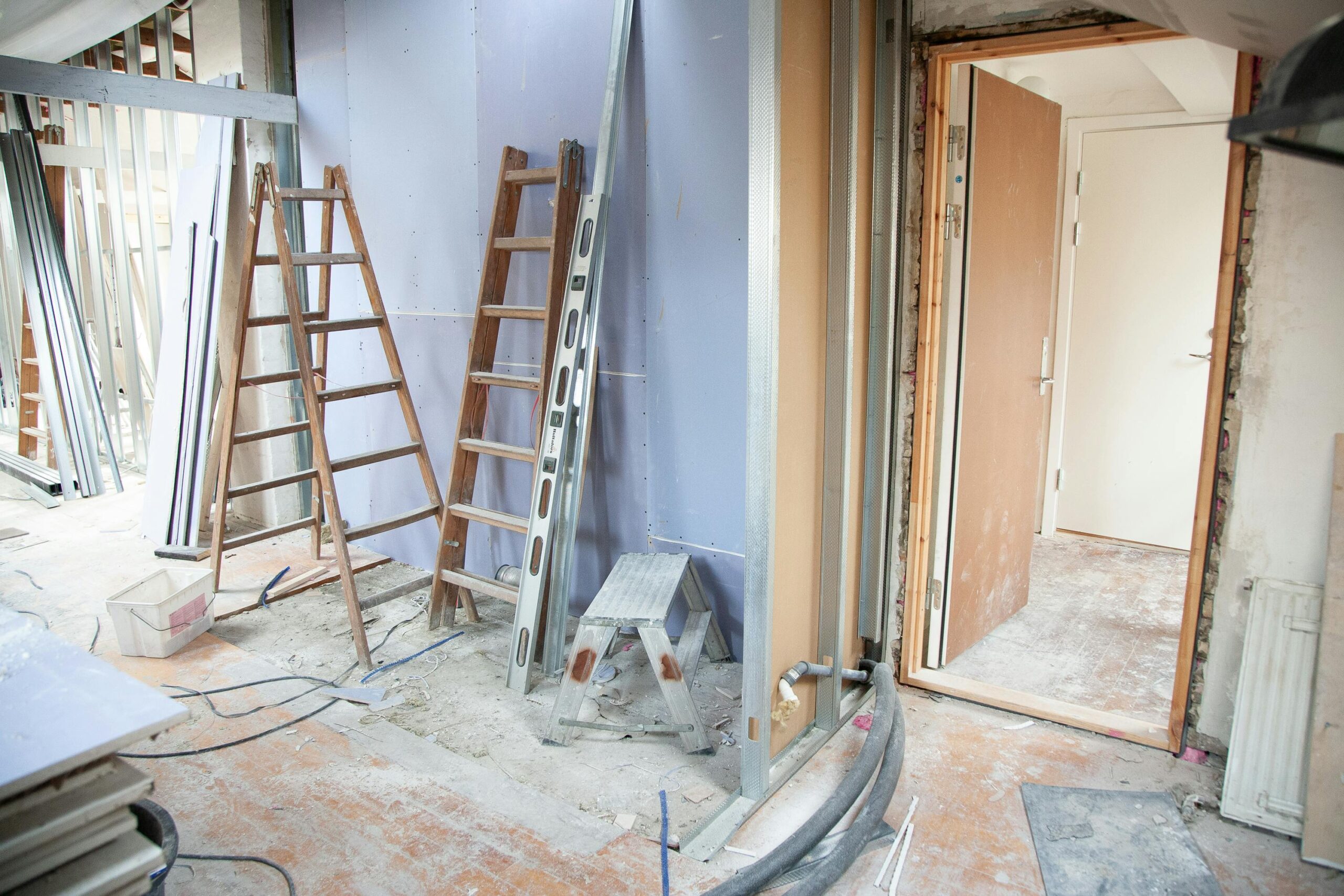
Ever looked around your home and thought, “We really need to fix this place up,” but then opened a browser tab and instead just ordered more throw pillows? You’re not alone. Americans have become masters of the cosmetic upgrade while quietly ignoring drafty windows, aging roofs, and floors that audibly protest every step. In this blog, we will share a practical, layered guide to planning a real home upgrade.
Start with What’s Outside Before Obsessing Over What’s Inside
Curb appeal isn’t just about resale anymore. It’s about daily experience. You come home, you look at your house. If the exterior looks like it’s losing a slow battle with time and weather, it chips away at your mood in subtle ways. Think peeling paint, warped panels, clogged gutters, or that one section of roof that looks like it’s preparing to detach during the next storm.
Now, siding might not be the flashiest part of a home upgrade, but it matters more than people think. It protects against moisture, helps regulate temperature, and, when done well, gives a sharp, finished look to even modest structures. If your home still has original siding from the ‘90s—or worse, early-2000s vinyl that faded three shades—then it’s time to talk to professionals.
Working with experienced siding installers can transform a home’s look while also boosting energy performance. They know the difference between materials that last and those that need patching every few years. Many of them also understand local weather patterns better than your weather app, which means they don’t just install—they adapt the build to your region. If you’re seeing cracked caulk lines or rising energy bills, it’s not a bad idea to start there before pouring thousands into backsplash tile.
Prioritizing the exterior can be less fun than redoing a bathroom, but it’s often the smarter move. There’s also a certain quiet thrill in watching your house go from “needs work” to “looks solid” before even opening the door.
Why Everyone Suddenly Cares About Home Again
In a time when working from home has blurred the line between “office” and “kitchen table,” people have grown hyper-aware of their surroundings. Before, a leaky faucet or outdated paint color was easy to ignore. Now, it’s a daily visual reminder that the house hasn’t quite kept up. Add rising home prices, tight housing inventory, and anxiety around interest rates, and it makes sense that more people are opting to renovate rather than relocate.
HGTV used to be the background noise. Now it’s practically a blueprint for how folks imagine their ideal space. But while shows package home makeovers into 30-minute sprints with no real dust, life doesn’t follow that timeline. Renovations are disruptive, expensive, and—if poorly planned—regrettable.
More than ever, people are learning the difference between style and structure. It’s not just about picking tile anymore. It’s about investing in function, energy efficiency, and long-term value. Which brings us to one of the first questions: where do you start when everything feels like it needs attention?
Don’t Trust TikTok to Run Your Renovation
A trend isn’t a plan. Yes, concrete countertops and plaster walls look amazing in short-form videos, but try cleaning those properly, or matching them to older floor plans. Social media has flooded people with aesthetic ideas but rarely shows what those choices are like two years later.
Instead of chasing trends, focus on materials and layouts that match how you actually live. Have kids? White tile with micro grout lines will be a nightmare. Love cooking? Open shelves might look chic but they’ll gather grease and dust faster than you think. If you don’t like organizing your cabinets now, open shelving is not a magical fix—it’s just your mess on display.
Design with your future in mind, not your followers. Ask what still works if you sell the house in five years. What holds up under real weather? What can be repaired without ripping half the structure open? A good designer or contractor will ask these questions early. If they don’t, you should.
The Contractor is More Important Than the Catalog
Picking the right person or crew to do the work matters more than which tile you pick or what faucet finish you choose. A bad contractor can ruin expensive materials. A good one can stretch a modest budget.
Referrals help. But even more helpful is seeing past work, asking how they handle changes mid-project, and getting clear answers on timelines and communication. You want someone who will show up when they say they will, and also tell you when they can’t. Delays happen. Supplies run late. What matters is how it’s handled.
Contractors are not magicians. They’re people trying to do quality work in a chaotic, supply-constrained, deadline-filled world. Treating them like partners, not enemies, will get you further. Doesn’t mean you don’t hold them accountable. It just means you understand the job is messy and real life doesn’t follow the mood board.
Also, get everything in writing. Always. Verbal promises are for sitcoms. Renovations need contracts.
When the Dust Settles, Don’t Forget to Actually Enjoy the Upgrade
Once the last screw is driven in and the last contractor leaves, there’s a weird phase. You have the house you wanted. But it doesn’t always feel like yours yet. That’s normal. It takes a while to adjust to the change. You’ll find yourself standing in new rooms wondering if you like them. That’s fine. Sometimes we build the version of the house we needed two years ago. It takes time to catch up.
But eventually, the quiet starts to feel better. The floors feel solid. The temperature holds. You stop staring at flaws. You notice what works. The light falls better through the new windows. The living room feels warmer. The door closes without a sound.
That’s when the upgrade starts to feel worth it.
Upgrading a home isn’t about chasing perfection. It’s about making things work better—for now and for later. And if that means you still keep ordering throw pillows online even after all the real work is done, well, some habits just stick.