
 By Lesa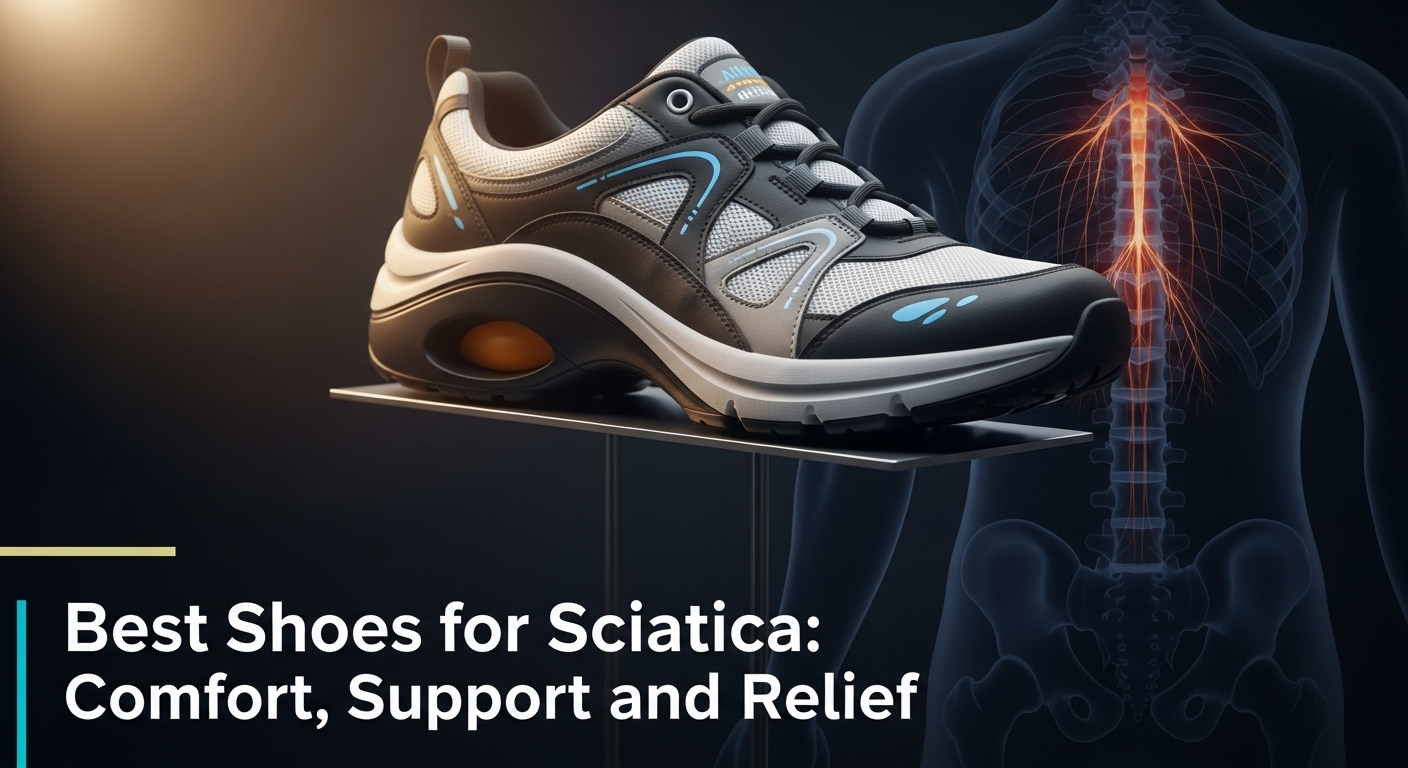
Sciatica, a condition that causes pain along the sciatic nerve, can significantly impact your daily life. The pain, often described as sharp or burning, radiates from the lower back and travels down through one or both legs. Managing sciatica requires multiple approaches, and one often overlooked yet highly effective way to reduce pain is by choosing the right footwear.
In this guide, we’ll explore the best shoes for sciatica, explaining how the right pair of shoes can alleviate discomfort, improve posture, and provide long-term relief. Whether you’re walking, standing, or sitting, the shoes you wear can make a world of difference.
What is Sciatica?
Before diving into the best shoes for sciatica, it’s essential to understand what sciatica is and how it affects your body.
Causes of Sciatica
Sciatica is typically caused by compression or irritation of the sciatic nerve, which runs from the lower back through the hips, buttocks, and down each leg. The condition is most commonly linked to:
-
Herniated Discs: When the discs between the vertebrae in your spine bulge or rupture, they can press on the sciatic nerve.
-
Spinal Stenosis: Narrowing of the spinal canal can put pressure on the nerve.
-
Degenerative Disc Disease: As discs in the spine wear down with age, they can cause nerve compression.
-
Piriformis Syndrome: A muscle spasm in the piriformis muscle can irritate the sciatic nerve.
Symptoms of Sciatica
The pain associated with sciatica can range from mild to severe and may include:
-
Sharp or burning pain in the lower back, buttocks, or leg
-
Numbness or tingling in the affected leg
-
Weakness in one leg
-
Difficulty moving or standing up
Why Footwear Matters for Sciatica
Footwear plays a critical role in managing sciatica. Wearing shoes with proper support and cushioning helps maintain proper alignment, reduces pressure on the spine, and absorbs shock from walking or standing. On the other hand, wearing poorly fitting or unsupportive shoes can worsen sciatica pain and contribute to long-term spinal problems.
Key Features to Look for in Shoes for Sciatica Relief
When shopping for shoes to help manage sciatica, there are several essential features to consider. The right shoes should provide:
-
Proper Arch Support: Shoes with adequate arch support help maintain the natural curvature of the spine, reducing the risk of additional strain on the sciatic nerve.
-
Cushioning and Shock Absorption: Proper cushioning helps absorb the shock from walking or standing, reducing the impact on the joints and spine.
-
Stability: Shoes that offer stability prevent the foot from rolling inward or outward, which can lead to imbalances that affect the sciatic nerve.
-
Comfort and Fit: A proper fit is essential to prevent unnecessary pressure on the feet, which can exacerbate sciatica pain.
-
Heel Height: Shoes with a low heel (or none at all) are preferred, as high heels can worsen posture and put additional pressure on the lower back and sciatic nerve.
Top Shoes for Sciatica Relief
Based on the criteria above, here are some of the best shoes for sciatica:
1. Brooks Addiction Walker 2
The Brooks Addiction Walker 2 is known for its exceptional cushioning and support. With a thick, shock-absorbing sole and an extended Progressive Diagonal Rollbar (PDR), this shoe helps control motion and reduce stress on the lower back. The shoe’s cushioning system helps reduce impact, making it ideal for those suffering from sciatica.
Key Features:
-
BioMoGo DNA cushioning for added support
-
Extended Progressive Diagonal Rollbar for stability
-
High arch support
-
Slip-resistant outsole
Why It’s Good for Sciatica:
The shoe’s cushioning and support help reduce pressure on the lower back and spine, making it one of the best choices for sciatica sufferers.
2. Asics Gel-Nimbus 23
The Asics Gel-Nimbus 23 is a running shoe with excellent shock absorption and cushion. Featuring a Gel cushioning system in both the forefoot and heel, it reduces the impact while walking or running, which is beneficial for people with sciatica. The shoe’s breathable upper and supportive midsole provide added comfort throughout the day.
Key Features:
-
Gel cushioning in the heel and forefoot
-
FlyteFoam Propel technology for bounce-back support
-
Breathable mesh upper
-
Secure and supportive fit
Why It’s Good for Sciatica:
The Gel cushioning helps absorb impact, and the supportive design promotes alignment and reduces stress on the sciatic nerve.
3. New Balance 990v5
New Balance has long been a favorite among people looking for supportive footwear, and the 990v5 is no exception. This shoe offers both excellent arch support and cushioning to relieve pressure on the spine and legs. Its durable and stable design makes it suitable for daily wear, even for those with sciatica.
Key Features:
-
Dual-density midsole cushioning
-
Breathable mesh upper
-
ENCAP midsole technology for added support
-
Available in wide widths for a customizable fit
Why It’s Good for Sciatica:
The shoe’s cushioning system reduces impact, while its stability features prevent excess foot movement, helping to manage sciatica pain effectively.
4. Orthofeet Sprint
Orthofeet is a brand known for designing shoes that prioritize foot health, and the Sprint model is tailored for those with sciatica. It features an orthotic insole, arch support, and a cushioned sole, all of which help maintain the correct posture and reduce pressure on the sciatic nerve.
Key Features:
-
Orthotic insoles for arch support
-
Cushioning sole with shock absorption
-
Anatomical arch support
-
Lightweight and flexible construction
Why It’s Good for Sciatica:
The orthotic design helps correct posture, while the cushioning and arch support provide relief from sciatica-related pain.
5. Saucony Guide 14
The Saucony Guide 14 is a lightweight running shoe with excellent stability and cushioning. It features a durable rubber outsole that provides traction and control, while its supportive midsole helps alleviate pressure on the lower back. The Guide 14 is ideal for sciatica sufferers who need a flexible yet supportive shoe for active lifestyles.
Key Features:
-
PWRRUN cushioning for comfort
-
StableFit system for added support
-
Engineered mesh upper for breathability
-
Responsive midsole for energy return
Why It’s Good for Sciatica:
The responsive cushioning and stability features help reduce strain on the lower back and legs, making it a great option for managing sciatica pain.
6. Skechers Go Walk 5
For those who want a more casual and comfortable shoe for sciatica relief, the Skechers Go Walk 5 is an excellent choice. Known for its lightweight construction and responsive cushioning, this shoe is perfect for those who spend a lot of time on their feet. The Go Walk 5 provides comfort and support without the bulk of traditional orthotic shoes.
Key Features:
-
Air-cooled memory foam insole
-
Responsive cushioning
-
Flexible sole for added comfort
-
Machine washable for convenience
Why It’s Good for Sciatica:
The memory foam insole provides cushioning that helps reduce pressure on the lower back, while the flexible sole promotes natural foot movement.
How to Choose the Right Shoes for Sciatica
When selecting shoes for sciatica, it’s important to consider the following factors:
-
Foot Type: Understanding whether you have flat feet, high arches, or neutral feet will help you choose the right shoes. People with flat feet may need shoes with more arch support, while those with high arches may require cushioning and shock absorption.
-
Activity Level: If you’re active and spend a lot of time walking or running, opt for shoes with extra cushioning and support. For those with more sedentary lifestyles, comfort and proper alignment are key.
-
Shoe Fit: Always ensure your shoes fit properly. Shoes that are too tight or too loose can exacerbate sciatica pain.
-
Heel Height: Opt for shoes with a low or no heel to avoid placing unnecessary strain on the lower back.
Conclusion
Choosing the best shoes for sciatica is an important step toward managing the condition and reducing pain. By selecting shoes with proper arch support, cushioning, stability, and a comfortable fit, you can alleviate pressure on the sciatic nerve, improve posture, and enhance your overall well-being.
Remember, while the right shoes can help, it’s essential to consult with a healthcare provider for a comprehensive treatment plan. Whether you’re looking for a pair of supportive running shoes or comfortable everyday footwear, the options listed here can make a significant difference in how you manage sciatica.