
 By Lesa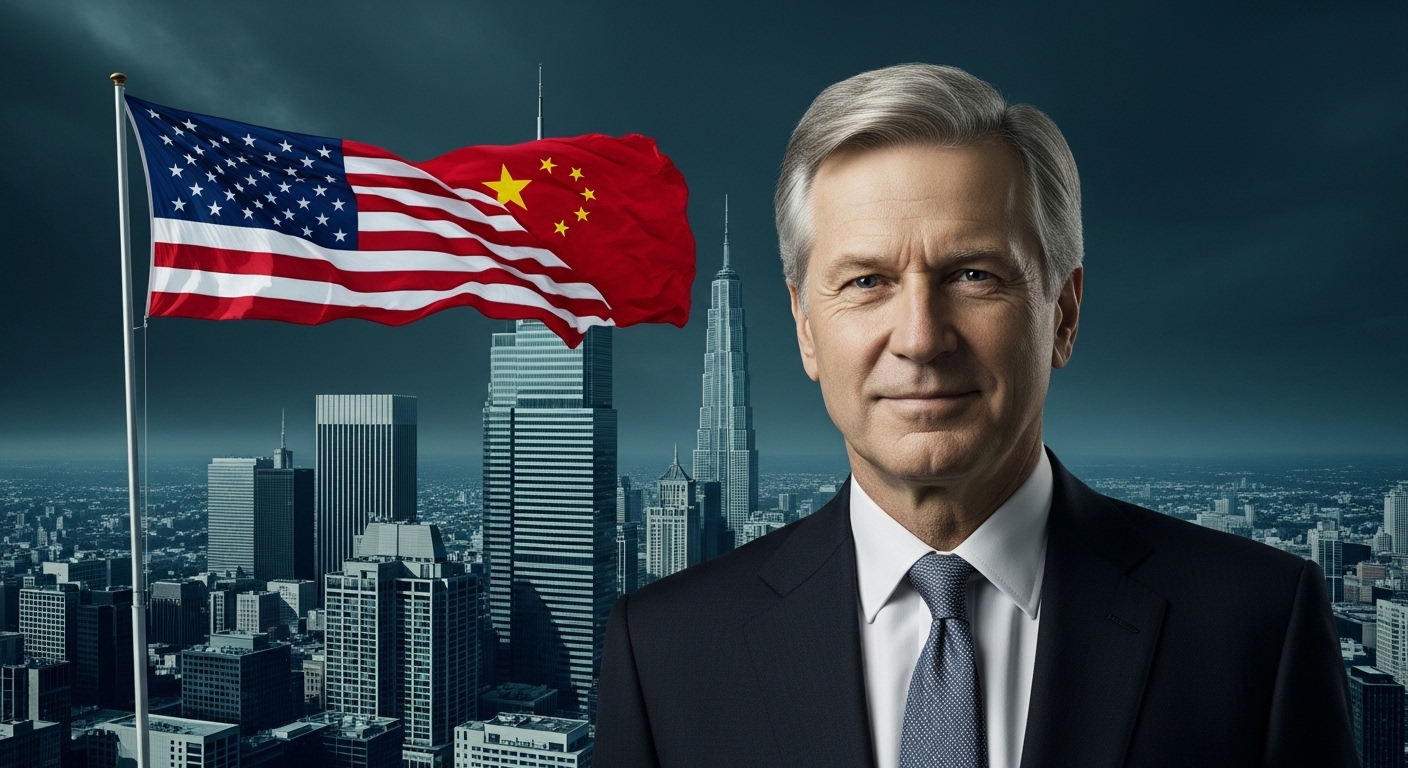
The race for technological supremacy between the United States and China has intensified, capturing global attention and sparking fierce debates across boardrooms and policy circles. This competition isn’t just about who can build the fastest computer or the most advanced AI system; it’s a multifaceted rivalry that shapes economies, influences geopolitics, and alters the course of entire industries. As we delve into this dynamic landscape, one voice stands out: Jamie Dimon. The CEO of JPMorgan Chase offers insights that resonate deeply in this arena. His perspective sheds light on how this tech showdown impacts businesses worldwide while highlighting both opportunities and challenges faced by American firms abroad. Join us as we explore Dimon’s views on the US-China technology competition and its implications for our global economy.
Explanation of Dimon’s Perspective on Global Tech Rivalry
Jamie Dimon, the CEO of JPMorgan Chase, offers a keen insight into the ongoing US-China technology competition. He perceives this rivalry as more than just a battle for market dominance; it’s about national security and innovation leadership.
Dimon emphasizes that technological advancements will shape the future of economies worldwide. Both nations are investing heavily in research and development to secure their positions on the global stage. This competition drives progress but also raises concerns over cybersecurity and data privacy.
He argues that collaboration can coexist with rivalry. By working together on certain initiatives, both countries could benefit economically while addressing shared challenges like climate change or healthcare innovations.
Dimon’s perspective highlights a complex relationship marked by fierce competition yet potential opportunities for synergy. The balance between these two forces will play a crucial role in shaping not only American businesses but also Chinese enterprises and global markets at large.
The Impact of US-China Tech Competition on the Global Economy
The US-China technology competition significantly influences the global economy. As these two giants vie for supremacy, their actions ripple across international markets.
Supply chains are evolving rapidly. Companies worldwide must adapt to shifting production bases and trade policies driven by this rivalry. Industries that rely heavily on Chinese manufacturing face uncertainty as tariffs and restrictions fluctuate.
Moreover, investment flows are changing. Investors now prioritize sectors aligned with national security interests over traditional growth areas. This shift can distort market dynamics and create volatility in emerging technologies.
Consumer behavior is also affected, as people become more aware of where their products come from and who makes them. The demand for transparency increases pressure on brands to showcase ethical sourcing practices.
Innovation is spurred in different regions too, as countries look to position themselves between the two superpowers. Nations eager to capitalize on tech advancements are investing heavily in research and development initiatives, hoping to attract talent and resources away from both nations.
Advancements in Technology and Innovation by Both Countries
The US and China are racing forward in technology, each making bold strides. In the realm of artificial intelligence, both countries have unveiled groundbreaking innovations. American firms like Google and Microsoft push boundaries with advanced algorithms, while Chinese companies such as Alibaba and Baidu invest heavily in AI research.
China has made significant advancements in 5G technology. Huawei leads the charge globally, revolutionizing telecommunications infrastructure. Meanwhile, US tech giants work to enhance network security amidst rising concerns about data privacy.
In space exploration too, competition intensifies. NASA continues ambitious missions to Mars while China’s National Space Administration achieves milestones with its lunar program.
Both nations view biotechnology as a critical battlefield for innovation. From CRISPR gene editing to vaccine development during the pandemic, breakthroughs emerge at an astonishing pace.
The energy sector is also witnessing sweeping changes driven by renewable technologies from solar power advancements to electric vehicles gaining traction on both sides of the Pacific.
Challenges Faced by American Companies in China
American companies encounter a myriad of challenges in the Chinese market. Navigating regulatory hurdles is often daunting. Strict compliance requirements can hinder operations, leading to delays and increased costs.
Intellectual property theft remains a significant concern. Many firms worry about their innovations being copied or misappropriated, which undermines competitive advantages.
Cultural differences also play a crucial role. Understanding local business etiquette is vital for building relationships with partners and consumers alike.
Additionally, increasing geopolitical tensions affect market stability. Tariffs and sanctions can disrupt supply chains, making it difficult for American businesses to maintain profitability.
Adapting products to meet Chinese consumer preferences presents another layer of complexity. What works in the U.
S may not resonate with Chinese buyers, necessitating careful market research and strategy adjustments.
As these challenges mount, American firms must remain agile and innovative to thrive amidst uncertainty in China’s evolving landscape.
Strategies for Navigating the US-China Tech Competition
Navigating the US-China tech competition requires agility and foresight. Companies must adopt a proactive approach, embracing innovation while staying aware of regulatory changes.
Building strong partnerships is crucial. Collaborating with local firms can provide insights into market dynamics and consumer behavior. This strategy enhances adaptability in a rapidly evolving landscape.
Investing in research and development becomes essential. By prioritizing cutting-edge technologies, businesses can differentiate themselves from competitors on both sides.
Diversification also plays a key role. Expanding operations to other regions minimizes risks associated with geopolitical tensions.
Moreover, fostering talent through education and training ensures that teams remain competitive globally. A skilled workforce is invaluable as companies seek to maintain their edge in this fierce rivalry.
Open communication channels with stakeholders help navigate uncertainties effectively, ensuring that strategies align with changing realities on the ground.
Conclusion: The Future of US-China Tech Relations and its Effects on the World
The future of US-China tech relations will undoubtedly shape not only the two nations but also the global landscape. As both countries continue to invest heavily in technology and innovation, their rivalry could foster advancements that benefit many. At the same time, this competition raises concerns about market access and collaboration.
As American companies navigate challenges in China, they must adapt strategies that respect local regulations while advocating for fair practices. This balance is crucial for maintaining a competitive edge in an increasingly complex environment.
On a broader scale, how the US and China manage their relationship may influence international alliances. Countries around the world are watching closely as developments unfold, aware that decisions made by these superpowers can have ripple effects on trade agreements, cybersecurity measures, and technological standards globally.
Understanding Dimon’s insights into this rivalry provides valuable context for businesses and policymakers alike as they prepare for an uncertain yet dynamic future shaped by technological evolution and geopolitical considerations.