
 By Lesa
Homeowners often ask whether whole house generators can work with solar panels during power outages. Both systems supply backup energy, but they perform distinct functions. Solar panels create energy from sunlight, whereas generators provide power when solar production is low. Combining them can increase dependability and save on fuel consumption. This page covers how generators and solar panels function together, what occurs during outages, and what equipment is required to make the system work. Understanding these systems allows homeowners to develop wiser backup power options. A clear understanding reduces installation errors, safety difficulties, and interruptions to the power supply when utility service breaks abruptly in modern residential households.
Can Whole Home Generators and Solar Panels Work Together?
How Solar Power Systems Operate During Grid Outages
Solar power systems react differently during grid interruptions. When utility power fails, most grid-tied solar systems automatically shut down. Inverters halt exporting electricity in order to safeguard line workers. Without battery storage, solar alone cannot power the house. Sunlight may be accessible, but the system is dormant. Homes with battery backup can continue to use stored solar energy. Batteries recharge when the sun returns. Before installing a generator, homeowners must understand its limitations. During prolonged power disruptions, solar alone seldom meets complete household demands. This behavior explains why many households combine solar and generators to provide dependable backup power during long-term disaster scenarios across the country.
The Role of Automatic Transfer Switches and Inverters
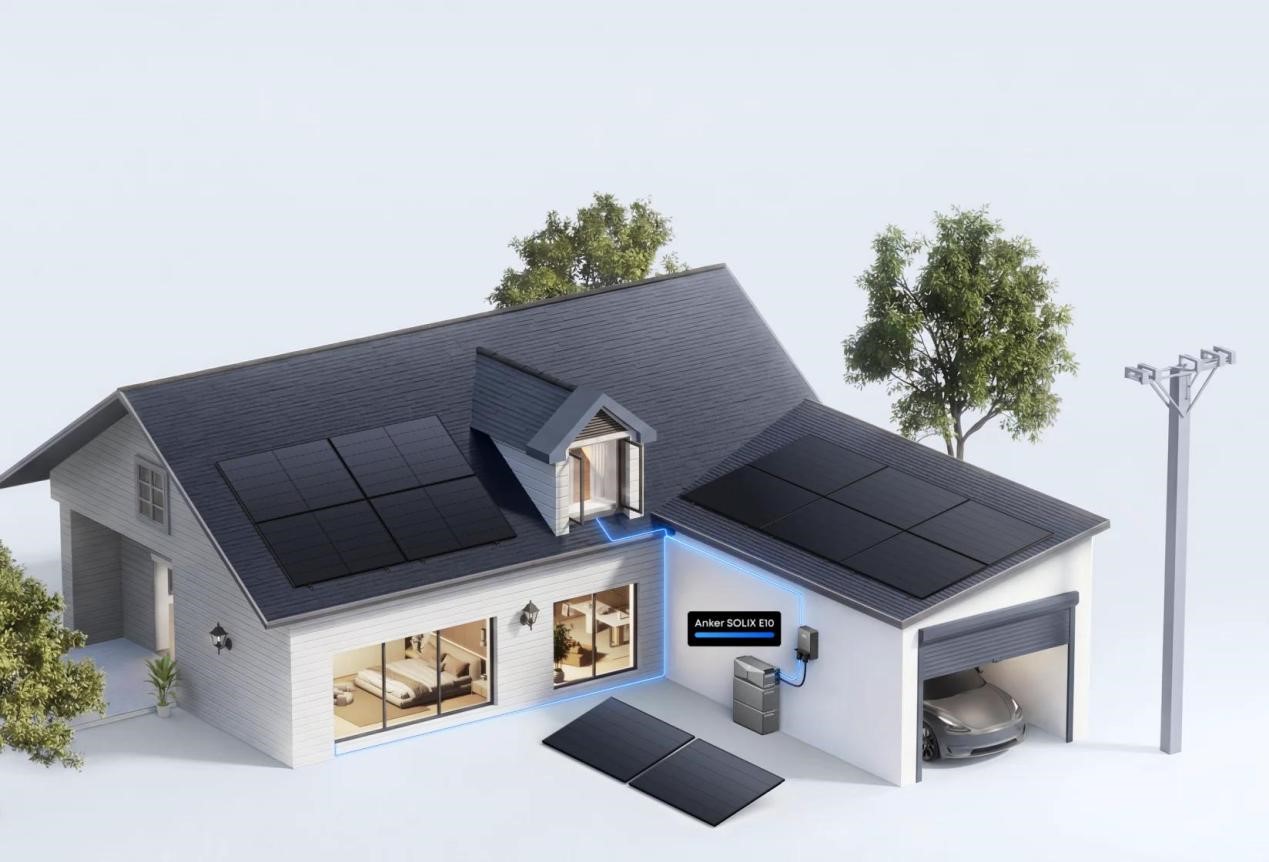
Automatic transfer switches and inverters regulate electricity transmission between solar panels, generators, and the dwelling. During an outage, the transfer switch disconnects the residence from the power grid. This eliminates backfeeding and protects utility staff. Inverters transform solar DC power into alternating current (AC) energy. Hybrid systems ensure secure coordination between both sources. When properly engineered, the switch selects which power source works. Inverters maintain voltage and frequency stability. These components communicate to prevent conflicts. Professional installation assures correct sequencing. Combining solar and generator systems without the proper switches and inverters is risky and unreliable during emergency operation for home backup power applications nationwide today.
When the Generator Turns On in a Solar-Equipped Home
If the amount of energy produced by the sun is insufficient to satisfy the needs of a solar-powered house, the generator will kick on. Lower solar output occurs at night or when there is a lot of cloud cover. The technology will activate the generator in the event that the battery voltage drops below a certain threshold. An automated transfer switch is used to start the generator and provide electricity. Once set up, the generator may also charge batteries. This method guarantees that power will be available at all times. Few people who own homes really notice when changes occur. Running both systems efficiently is prevented by proper programming. Even when sunlight isn’t shining, the generator keeps cranking out clean power. Currently, during severe weather occurrences across the country, this coordination successfully provides backup power to residential homes over lengthy periods of time.
What Equipment Is Needed to Combine Solar Panels and Generators?
Hybrid Inverters, Controllers, and System Compatibility
Solar panels and generators must be compatible to work together. Hybrid inverters manage different power sources from a single system. They strike a balance between solar energy input, battery storage, and generator output. Controllers continuously monitor system conditions and automatically issue directives. It is important to ensure brand and component compatibility. Mismatched equipment leads to communication issues and shutdowns. Homeowners should contact manufacturers to check authorized setups. Certified installers assess system design and firmware requirements. Compatibility guarantees seamless transitions and effective functioning. Investing in the right hybrid components eliminates long-term concerns and saves both the solar array and generator from unneeded stress when integrating whole-home energy backup systems countrywide today securely.
Battery Storage Systems and Energy Flow Management
Battery storage is crucial in solar and generator integration. Batteries store extra solar energy for future use. During an outage, batteries provide electricity before the generator begins. Energy flow management software determines when to charge and discharge batteries. This minimizes the generator’s runtime and fuel usage. Batteries provide a steady power supply and can sustain short-term load increases. Homeowners benefit from quieter operation and increased efficiency. Proper size ensures that batteries fulfill household requirements. Coordinated energy management increases equipment life. Batteries also offer backup power during brief outages without the need for generator activation, boosting overall system dependability and resilience for home energy security nationally in the long run.
Electrical Panel Upgrades and Load Coordination
Combining solar panels and generators may necessitate electrical panel changes. Older panels may not have the capability or room to accommodate additional circuits. Load coordination ensures that electricity flows safely to critical circuits. Subpanels and sophisticated load controls assist in regulating demand. Electricians balance loads to avoid overloading. Upgraded panels can accommodate transfer switches and battery connectors. Clear labeling promotes safety and maintenance. Homeowners should prepare for improvements while designing their systems. Proper synchronization eliminates unnecessary shutdowns while improving performance. Electrical enhancements guarantee that the house supports integrated backup systems reliably during outages and long-duration power disruptions caused by severe weather occurrences around the country today, ensuring the safety of families everywhere.
Conclusion
Solar panels may be used with whole home generators if the systems are properly configured. Solar energy is clean, and generators provide a reliable backup when output is low. Proper panels, batteries, inverters, and transfer switches enable integration. Professional installation and interoperability with other equipment are still essential. Homeowners gain from increased resilience and less fuel consumption. Preventing surprises during outages requires an understanding of system behavior. Hybrid power systems are dependable when they are carefully planned. When correctly integrated, solar panels and generators provide steady electricity, safeguard vital appliances, and provide comfort during unforeseen utility outages for today’s modern household backup power demands across the country in a safe and effective manner.