
 By Lesa
Whole-home backup power is no longer a specialized improvement for isolated regions. Many households are now experiencing regular outages that disrupt comfort, safety, and productivity. The question is no longer if outages will occur, but how ready a residence should be when they do. This article investigates why power outages are rising, how they influence everyday living, and which houses benefit most from whole-house backup power. By considering risk considerations, electrical needs, and lifestyle demands, homeowners may determine if backup power is a precaution for the future or a requirement for dependable living today.
Why Are Power Outages Becoming a Bigger Problem Today?
Extreme weather, grid pressure, and aged infrastructure all contribute to an increase in power outages. More powerful storms, heat waves, and wildfires destroy transmission lines and overload systems. Utilities struggle to maintain dependability as demand increases and equipment ages. Many systems were not constructed to handle contemporary energy demands or climatic conditions. Planned shutoffs are being used to avert greater failures. These issues lead to lengthier and more frequent outages. Homeowners have no influence over grid conditions, but they may manage their own preparation. Backup electricity for the entire house gives stability when the infrastructure fails. As environmental and infrastructure challenges increase, outages become more common in many places.
How Power Outages Affect Safety, Comfort, and Daily Life
Power disruptions have a wider impact than just convenience. Loss of power has an influence on lighting, heating, cooling, and communication. Extreme temperatures and darkness make homes dangerous. Refrigeration fails, endangering food and medication. All security systems and alarms are turned off. Daily routines cease, and tension rises rapidly. Families may have to relocate or rely on risky interim solutions. Even brief outages can affect work and school. Whole-home backup power mitigates these dangers by automatically restoring power. It maintains dwellings safe, habitable, and functional. When outages disrupt essential demands, backup power becomes a realistic way to preserve everyday living.
Do You Really Need Whole Home Backup Power for Your Home?
Home Types, Locations, and Risk Factors to Consider
The necessity for whole-house backup power varies according to home type, location, and risk exposure. Homes in storm-prone locations or in regions with weak grids are more likely to experience outages. Rural properties may have lengthier rehabilitation schedules. Large homes with complicated systems use more power, making adequate grid and backup integration critical. In these circumstances, components like the Anker SOLIX Smart Inlet Box, which is designed to accommodate common 120V/240V split-phase connections for grid and backup power, can assist in guaranteeing smooth transitions during outages. Older areas may have less dependable infrastructure, and the danger rises near wildfire or flood zones. Reviewing outage history and local variables might help assess if whole-house backup power is a precaution or a necessary expenditure.
Essential Loads vs Whole Home Coverage Explained
Not every home needs full coverage. Some houses simply require power for necessary loads during outages. Refrigeration, lighting, heating, cooling, and medical devices are all considered essential loads. Almost all circuits are powered by whole-house coverage, allowing them to function normally. The decision is based on lifestyle and tolerance for interruption. Partial covering decreases costs while limiting comfort. Full coverage provides perfect continuity. Homeowners should choose which systems are most important during outages. Whole-home backup power is ideal for homes that wish to make minimal lifestyle changes. Understanding this distinction allows homeowners to select the appropriate amount of insurance while avoiding overpaying or underestimating future demands.
Health, Work-from-Home, and Lifestyle Considerations
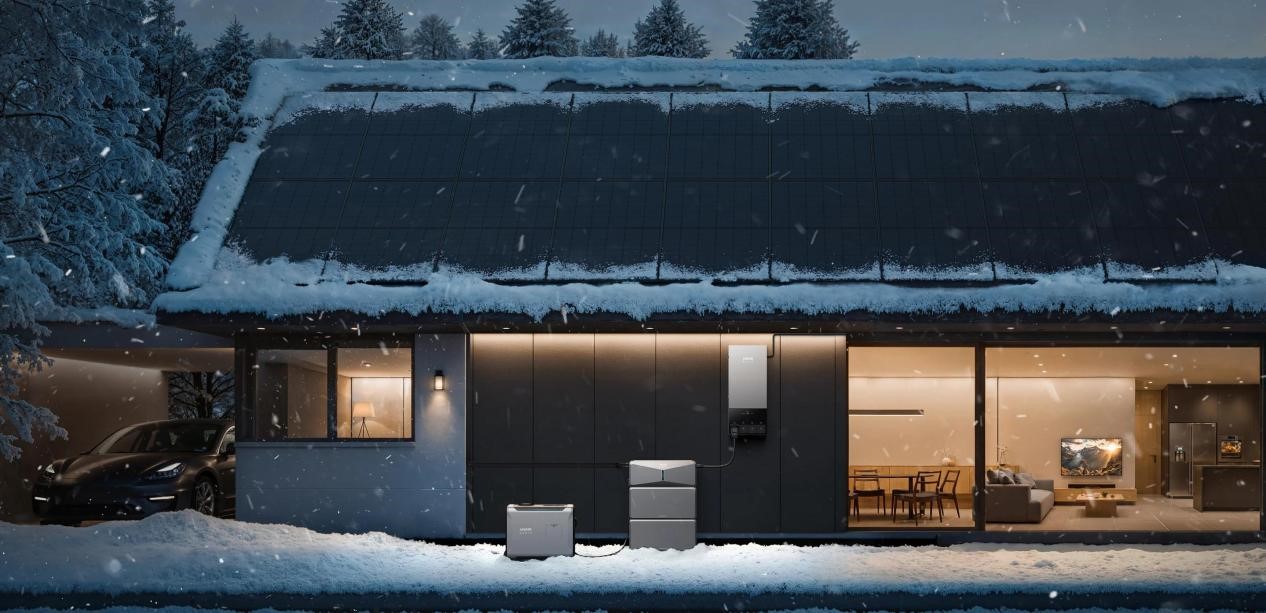
Health, work, and lifestyle strongly influence the need for backup power. Homes with medical equipment require uninterrupted electricity. Power loss can create serious health risks. Remote workers depend on the internet and device power to earn income. Families with children or older adults need stable indoor temperatures and lighting. Smart homes rely on continuous power for security and automation, making a home battery backup an effective solution. Outages are more than just a nuisance to these homes. Whole-house backup power promotes safety, productivity, and comfort. When everyday life depends on electricity, backup power becomes a need rather than a luxury.
Conclusion
Whole-home backup power addresses a rising dependability issue. Power outages are growing more common as the weather, infrastructure, and energy demand shift. Modern homes rely significantly on electricity for security, productivity, and comfort. Many families are now experiencing disruptions that impair crucial services. Evaluating geographical dangers, electrical needs, and lifestyle demands helps determine whether backup power is required. Some households may manage with minimal coverage, while others demand complete continuity. When outages endanger health, income, or safety, whole-house backup power gives control and peace of mind. Investing in preparedness reduces unpredictable outages to manageable situations, allowing houses to stay safe, functional, and resilient in an increasingly uncertain electricity landscape.