
 By Lesa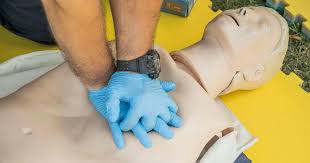
The Lifesaving Skills You Gain From CPR Training
Cardiopulmonary resuscitation (CPR) is an essential skill that has been shown to save lives in emergencies. During a CPR class, you will learn how to properly administer chest compressions and rescue breathing. These techniques can double, or even triple, a victim’s chance of survival after cardiac arrest.
Beyond practical steps, CPR training will teach you to assess situations quickly and calmly. Understanding the signs of cardiac arrest and how to react can make the difference between life and death. This knowledge stays with you for life – invaluable in the moments when you least expect to need it.
Furthermore, you’ll learn to use an automated external defibrillator (AED). Many public spaces contain these life-saving devices, and knowing how to operate one can amplify your CPR efforts. Instructors will ensure you’re familiar with the AED’s functions and the precautions required for use.
Lastly, CPR courses often include training on how to aid individuals who are choking. Choking is a common emergency that can happen anywhere, and understanding the Heimlich manoeuvre is a fundamental part of saving a choking person’s life. This aspect of your training will round out your emergency response capabilities.
How CPR Certification Boosts Your Employability
CPR certification is not only a personal asset but also a professional one. Many employers value the safety skills potential employees bring to the workplace, making CPR certification a competitive edge in the job market.
Certain job sectors, such as childcare, education, and healthcare, often require or highly recommend CPR certification. However, employees in all fields can benefit from this credential. It demonstrates to employers a commitment to responsibility, readiness to tackle unexpected challenges, and a caring attitude towards coworkers and clients.
Your certification acts as evidence of your ability to stay calm under pressure and make critical decisions – traits that are highly sought after in any industry. Your dedication to training also demonstrates your proactive nature and your ability to lead in crisis situations.
In practical terms, having a CPR-certified employee can sometimes lower a business’s insurance premiums or fulfil certain occupational health and safety requirements. Your new qualification can provide tangible benefits for your employer and your career prospects.
The Community Impact of Widespread CPR Knowledge and Training![]()
The value of widespread CPR knowledge in a community can be monumental. When more people are equipped with CPR skills, the safety net for everyone grows stronger. This shared competence can make all the difference in public spaces like schools, gyms, and offices.
In a community where CPR training is prevalent, the overall response to an emergency is quicker and more effective. The likelihood of having someone on hand who knows CPR increases, potentially saving more lives annually. It’s about strengthening resilience at a grassroots level.
Additionally, CPR awareness campaigns, often tied to training availability, foster a culture where preparedness and health are collective priorities. This cultural shift can lead to improved health outcomes and a heightened sense of community responsibility.
Organisations that offer CPR training programs also contribute to the community by providing accessible education. They become pillars of health education, fostering a safer environment for all residents. Over time, this training can foster a culture of care and preparedness that extends beyond the individual and benefits the collective.
Overall, CPR training offers benefits that extend well beyond the individual. By empowering people to act in emergencies, we not only save lives but also foster a culture of care and preparedness. From enhancing employability to strengthening community resilience, the reasons to enrol in CPR training today are compelling and numerous.