
 By Lesa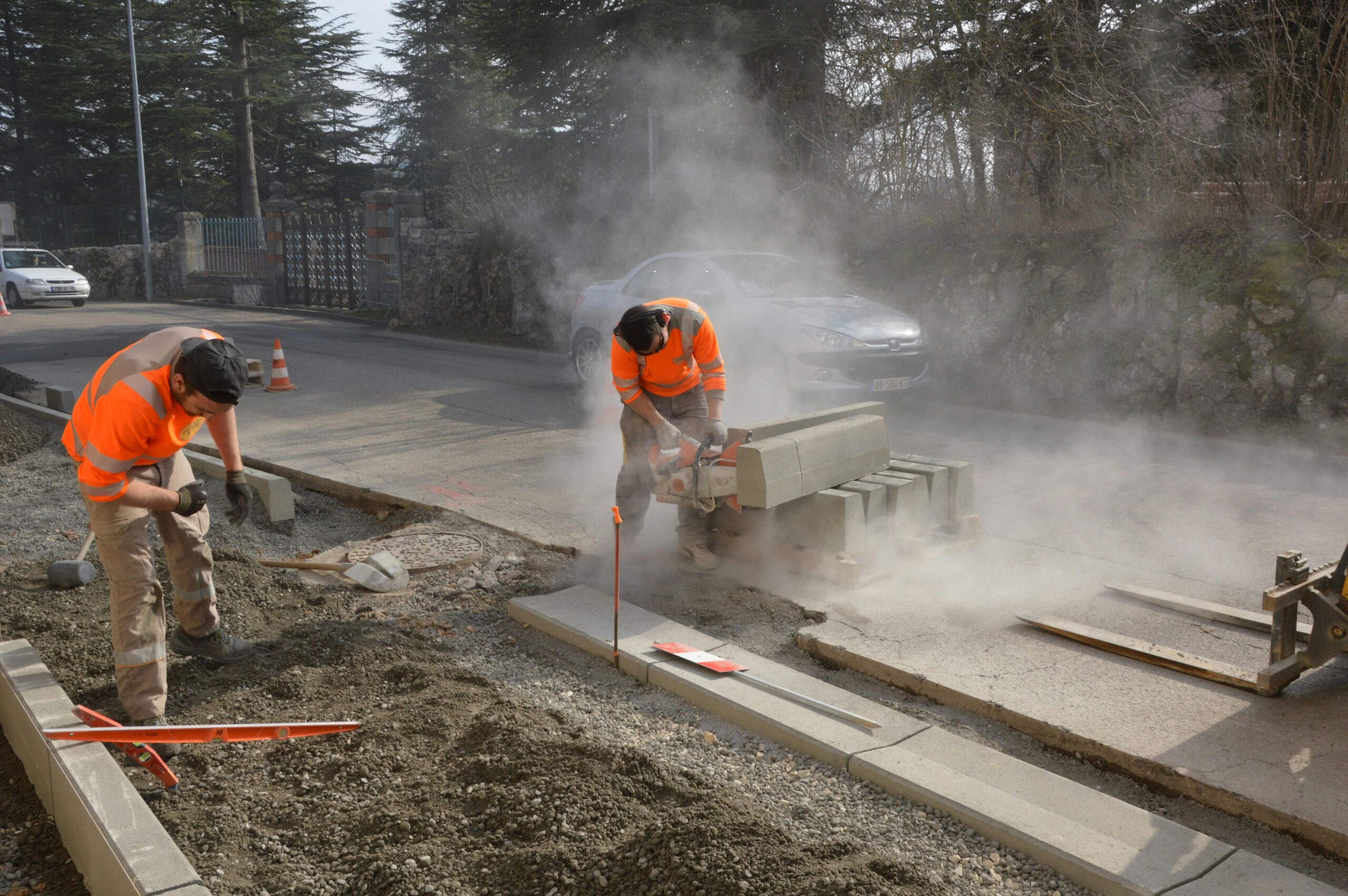
Every day, millions of workers are exposed to substances and conditions that may quietly increase their risk of developing cancer. Prolonged contact with hazardous chemicals and toxic dust creates hidden dangers. Repeated exposure to radiation or industrial fumes makes certain occupations riskier overall.
Many of these dangers emerge only years or even decades after the exposure occurs, which makes them easy to overlook or dismiss. Understanding which cancers are linked to workplace exposure is critical for protecting long-term health. It helps recognize how risks develop and the warning signs.
In this article, we’ll explore cancers linked to occupational exposure and how workers can reduce risks and recognize symptoms.
Common Workplace Exposures Linked to Cancer Risk
Many cancers are linked to long-term exposure to hazardous substances commonly found in workplaces. The National Institute for Occupational Safety and Health (NIOSH) explains that cancer rarely has a single cause. Instead, a wide range of factors contribute to risk, including workplace exposures. NIOSH estimates that 2–8% of cancers worldwide result from exposure to carcinogens encountered on the job.
Asbestos, commonly used in construction and insulation, is strongly linked to lung cancer and mesothelioma. Benzene exposure in chemical manufacturing and fuel handling is associated with leukemia. Silica dust from mining and construction increases lung cancer risk. Diesel exhaust and formaldehyde are also recognized occupational carcinogens.
Types of Cancers Most Often Associated With Occupational Exposure
Workplace exposure is tied to specific malignancies, often manifesting years after contact. Lung cancer and mesothelioma frequently stem from asbestos or silica, while benzene exposure in manufacturing is linked to leukemia. Additionally, aromatic amines and industrial oils contribute significantly to bladder and skin cancers across the textile and rubber industries.
A study published by Wiley found that lung cancer is the leading cause of occupational cancer. It accounts for more than 50% of all workplace-related cancer cases. Despite this burden, occupational lung cancer remains widely overlooked in public health surveillance, clinical care, and worker compensation systems.
When Occupational Cancer Raises Legal and Compensation Questions
When cancer may be linked to workplace exposure, a worker’s employment history becomes critical. Many occupational cancers develop decades after exposure, requiring careful review. Detailed records of job roles, exposure duration, and hazardous conditions help determine whether the illness is work-related.
Railroad workers are a well-documented example of occupational cancer risk. Many were historically exposed to diesel exhaust, asbestos, creosote-treated ties, and industrial solvents. Research and legal claims link these exposures to higher rates of lung, mesothelioma, bladder, and blood cancers.
When cancer is suspected to be connected to railroad work, the victim’s families often seek guidance from a railroad cancer lawyer. These professionals assess unsafe conditions, warnings, and protective failures. They also guide claims under FELA, which allows compensation for illnesses caused by employer negligence.
Gianaris Trial Lawyers notes that railroad employees trusted that their work environments were safe. Many now learn that diesel and benzene exposure risks were long known yet ignored by employers. Understanding employer responsibility is essential, as employers must ensure safety and disclose hazards. Thorough exposure documentation supports legal accountability.
Early Symptoms Workers Should Not Ignore
Early signs of occupational cancers are often subtle and mistaken for minor illnesses. Persistent cough, shortness of breath, unexplained weight loss, and chest pain may signal lung-related cancers. Skin changes or non-healing sores can indicate skin cancer. Blood cancers may cause frequent infections, bruising, or ongoing weakness.
A study published by the National Institute of Health emphasizes the importance of early cancer detection. Early-stage treatment, including surgery or less aggressive medications, shows a five-year survival rate of 91%. In contrast, late-stage detection reduces survival to just 26%. Recognizing early symptoms is therefore critical for effective treatment.
Essential Strategies for Reducing Occupational Exposure
Workers can reduce cancer risk by limiting exposure and monitoring their health. Using personal protective equipment and following safety protocols helps reduce contact with carcinogens. Participating in training, reporting hazards, and ensuring proper ventilation are important. Regular medical checkups and occupational screenings support early detection.
According to the World Health Organization, a significant portion of cancers is preventable. WHO estimates that 30 to 50% of cancers can be avoided by reducing exposure to known risk factors. Implementing evidence-based prevention strategies in workplaces plays a critical role in protecting worker health.
Resources and Support for Workers and Families
Finding support after an occupational cancer diagnosis is essential for managing both health and financial stability. Organizations like CancerCare offer free professional counseling and “Resource Navigation” to help families overcome barriers to care. For those facing employment hurdles, Cancer and Careers provides expert advice on balancing treatment with work and understanding legal rights.
Also, families should explore the Patient Advocate Foundation, which assists with insurance mediation and financial stability. If a workplace link is suspected, consulting an industrial disease specialist or a legal aid organization can clarify options for compensation and long-term security.
Frequently Asked Questions
Are family members at risk from secondary workplace exposure?
Yes, family members can face risks from secondary workplace exposure. Carcinogens may be carried home on clothing, skin, or tools, exposing household members. Studies have linked “take-home exposure” to increased cancer risk, particularly among spouses and children of workers in high-risk industries.
Are routine health screenings covered for high-risk workers?
Routine health screenings for high-risk workers may be covered, but coverage varies by employer, industry regulations, and insurance plans. Some employers provide occupational health programs that include screenings. Others depend on workers’ compensation, government programs, or private insurance for preventive monitoring.
Can lifestyle factors weaken or strengthen occupational cancer claims?
Yes, lifestyle factors can influence occupational cancer claims. Habits like smoking may complicate causation arguments, while a healthy lifestyle can strengthen them. However, documented workplace exposure remains central, and claims can still succeed if occupational risks significantly contributed to the cancer’s development.
Empowering Workers Through Awareness
Occupational cancer is a formidable challenge, but it is not an inevitable consequence of labor. By understanding carcinogens, recognizing early symptoms, and exercising your legal rights, you can take control of your long-term well-being.
Prioritizing safety today, through proper PPE and rigorous documentation, is the most vital investment you can make for your future. Stay informed, stay protected, and advocate for the safe environment you deserve.