
 By Lesa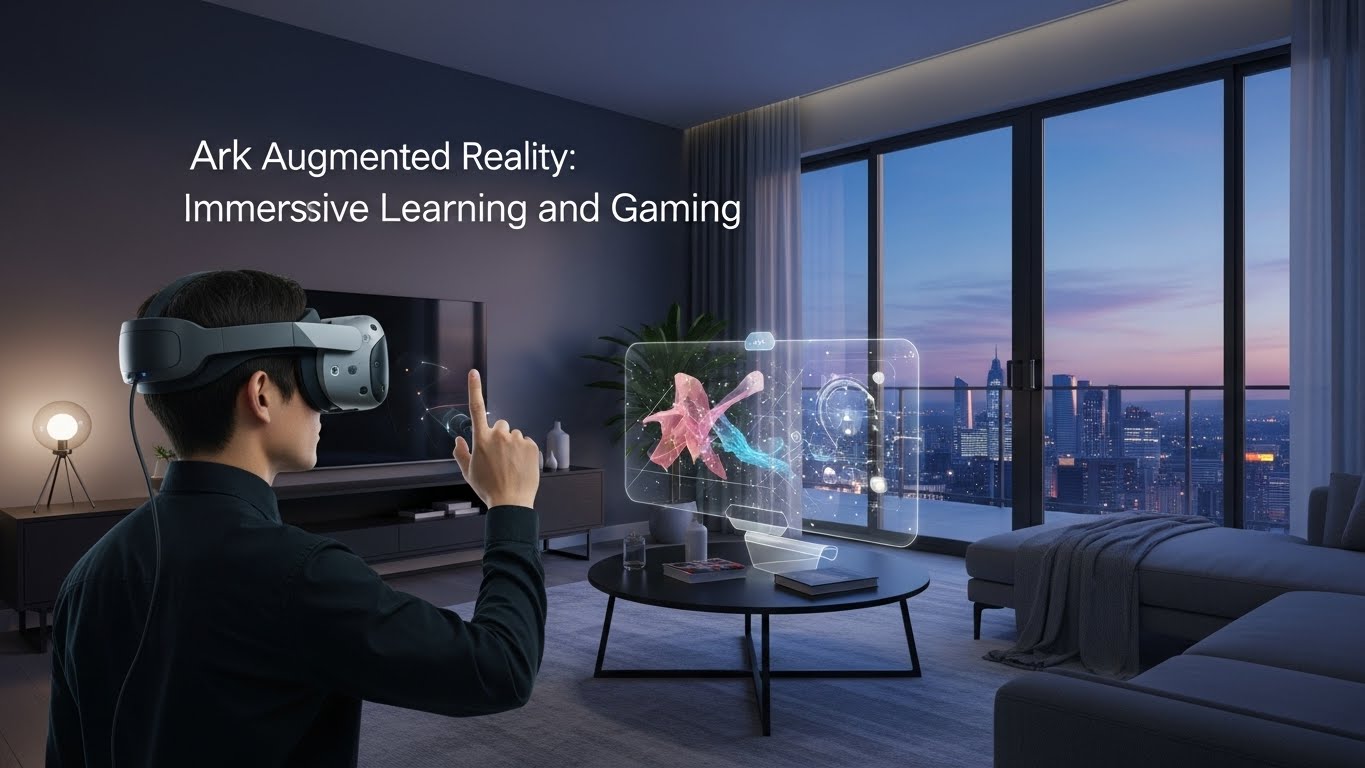
Imagine walking through a world where digital information seamlessly blends with reality. With Ark Augmented Reality, that vision is becoming a vibrant part of everyday life. AR technology enhances our surroundings by overlaying virtual elements on the real world, creating interactive experiences that were once confined to science fiction.
In education and gaming, this innovation opens up thrilling possibilities. Students can dive into immersive lessons while gamers explore new dimensions in their favorite titles. As we delve into the evolution of augmented reality and its transformative impact on learning and entertainment, you’ll discover how these advancements are reshaping our understanding of both fields. Get ready to explore the exciting journey of AR technology!
History of AR and its Evolution
Augmented Reality (AR) has a fascinating history that stretches back several decades. Its origins can be traced to the 1960s, when computer scientist Ivan Sutherland developed the first head-mounted display system. This device laid the groundwork for future AR technologies.
In the following years, advancements continued at a steady pace. The term “augmented reality” was coined in 1990 by Tom Caudell, who worked on digital displays for manufacturing processes. As technology progressed, AR began to find applications beyond industrial settings.
The launch of smartphones and tablets in the late 2000s marked a pivotal moment for AR’s evolution. With improved cameras and sensors, developers could create immersive experiences accessible to everyday users. Popular apps like Pokémon GO showcased how engaging augmented environments could captivate millions worldwide.
Today, AR continues to evolve rapidly with innovations such as wearable devices and advanced software algorithms that enhance user interaction within their physical surroundings.
Benefits of AR in Education and Gaming
Augmented Reality (AR) transforms education and gaming by creating immersive experiences that engage users like never before. In classrooms, AR allows students to visualize complex concepts. Imagine exploring the human body or the solar system in 3D right from their desks.
In gaming, AR enhances interaction with virtual elements overlaid on reality. Players can step into a game world while remaining aware of their surroundings, promoting both physical activity and social interaction.
The hands-on approach AR offers boosts retention in educational settings. Learners are more likely to remember information they can see and manipulate directly.
Moreover, it fosters creativity and problem-solving skills as players navigate challenges within both educational content and games. With real-time feedback, users adapt strategies instantly, enhancing learning outcomes significantly. This synergy between fun and education makes AR an invaluable tool for today’s learners and gamers alike.
The Rise of AR in the Gaming Industry
The gaming industry has witnessed an exhilarating transformation with the rise of augmented reality. Gamers now step into vibrant worlds, blending digital elements with their real surroundings. This fusion creates a unique experience that traditional gaming cannot match.
Titles like Pokémon GO have set the stage, encouraging players to explore outdoor spaces while catching creatures in their neighborhoods. The excitement lies not just in gameplay but also in community interaction. Players gather, share experiences, and even collaborate on challenges.
Moreover, developers are innovating constantly to enhance user engagement. AR technology allows for personalized narratives and dynamic environments that adapt based on player actions.
This immersive approach is drawing attention from both casual gamers and serious enthusiasts alike. As AR continues evolving, it paves the way for new genres and storytelling methods within games never before imagined.
How AR is Revolutionizing Learning
Augmented Reality is transforming the educational landscape like never before. By overlaying digital content onto the real world, AR makes learning interactive and engaging.
Imagine a classroom where students can visualize complex concepts right in front of them. Instead of reading about historical events, they can step into virtual recreations. This immersive experience fosters deeper understanding.
AR also caters to various learning styles. Visual learners benefit from 3D models, while kinesthetic learners engage through hands-on activities. This versatility enhances retention rates and promotes active participation.
Additionally, remote learning has gained traction thanks to AR tools. Students can explore faraway places or scientific phenomena without leaving their homes. It breaks geographical barriers and opens doors to countless possibilities.
The integration of AR in assessments offers instant feedback too, allowing educators to tailor their teaching methods effectively and address individual student needs seamlessly.
Examples of Successful AR Learning and Gaming Platforms
Several platforms are pushing the boundaries of what Ark Augmented Reality can achieve in education and gaming.
One notable example is Pokémon GO. This wildly popular game encourages players to explore their surroundings while capturing virtual creatures. It seamlessly blends real-world environments with digital elements, making learning about geography fun and engaging.
Another impressive platform is Merge Cube. Designed for educational use, it allows students to hold a virtual cube that unlocks interactive lessons on various subjects like science and history. The tactile experience deepens understanding through hands-on interaction.
In the realm of language learning, apps like Mondly leverage AR technology to immerse users in conversations with lifelike avatars. This approach not only enhances vocabulary but also builds confidence in speaking skills.
These examples illustrate how Ark Augmented Reality transforms traditional learning methods into dynamic experiences, captivating learners across ages and interests.
Challenges and Limitations of AR in Education and Gaming
Despite its promise, Ark Augmented Reality faces several challenges in education and gaming. One major hurdle is the cost associated with developing AR content. High-quality experiences often require significant investment in technology and resources.
Another limitation lies in accessibility. Not everyone has access to advanced devices capable of running AR applications smoothly. This creates a digital divide that can limit learning opportunities for some students.
User experience also presents obstacles. If AR technology isn’t intuitive, it can frustrate users rather than enhance their engagement. Additionally, technical issues like connectivity problems can disrupt gameplay or educational activities.
There are concerns about safety and privacy when using AR applications. As users interact with virtual elements overlaid on real-world settings, safeguarding personal data becomes increasingly crucial to ensure a secure environment for learners and gamers alike.
Future Implications of AR in Learning and Gaming
As technology advances, the future of Ark Augmented Reality in education and gaming looks incredibly promising. Imagine classrooms where students can interact with 3D models of historical events or scientific phenomena right at their desks. This level of engagement transforms traditional learning into an immersive experience.
In gaming, AR has the potential to blur the lines between reality and virtual adventures. Players could explore their own neighborhoods through a lens that adds layers of storytelling and interaction. The world becomes a canvas for creativity.
Moreover, advancements in wearable devices will enhance how we interact with digital content. With smart glasses or contact lenses, users may access information seamlessly while engaging in real-world activities.
Collaboration is another exciting aspect on the horizon. By connecting learners across various locations through shared AR experiences, educational barriers might diminish significantly, fostering global connections among students and gamers alike.
Conclusion: The Exciting Potential of AR for the Future
The world of Ark Augmented Reality is brimming with possibilities. As technology continues to advance, the integration of AR into our daily lives becomes more seamless. The educational landscape is shifting, allowing for personalized and interactive learning experiences that keep students engaged.
In gaming, we see a transformation where players can immerse themselves in rich virtual environments layered over reality. This creates not just entertainment but also social connections and collaborative opportunities.
As developers innovate and explore new frontiers within AR, challenges like accessibility and content creation remain paramount. However, the potential rewards are enormous—sparking creativity while making learning fun and effective.
The journey ahead promises exciting developments as schools leverage AR tools for enhanced teaching strategies. Similarly, gamers will find even more ways to dive into their favorite universes through augmented interactions.
Ark Augmented Reality stands at the forefront of this evolution—a portal to richer experiences in both education and entertainment that could change how we interact with the world around us. With ongoing advancements on the horizon, it’s an exhilarating time for anyone interested in what lies ahead in AR’s future.